From Ramayana to Rangoli: The Cultural Stories Behind India’s Diwali Celebrations
Diwali celebrations in India are more than dazzling lights, colorful rangoli, and festive sweets. Behind every glowing diya and decorated doorway lies a story shaped by mythology, regional traditions, family memories, and centuries of cultural heritage.
Known as the Festival of Lights, Diwali brings together different communities and customs. In northern India, it is closely associated with Lord Rama’s return to Ayodhya. In other regions, celebrations honor Goddess Lakshmi, Lord Krishna, Goddess Kali, or important events in Jain and Sikh history.
Understanding these stories reveals why Diwali is celebrated in so many beautiful ways across India.
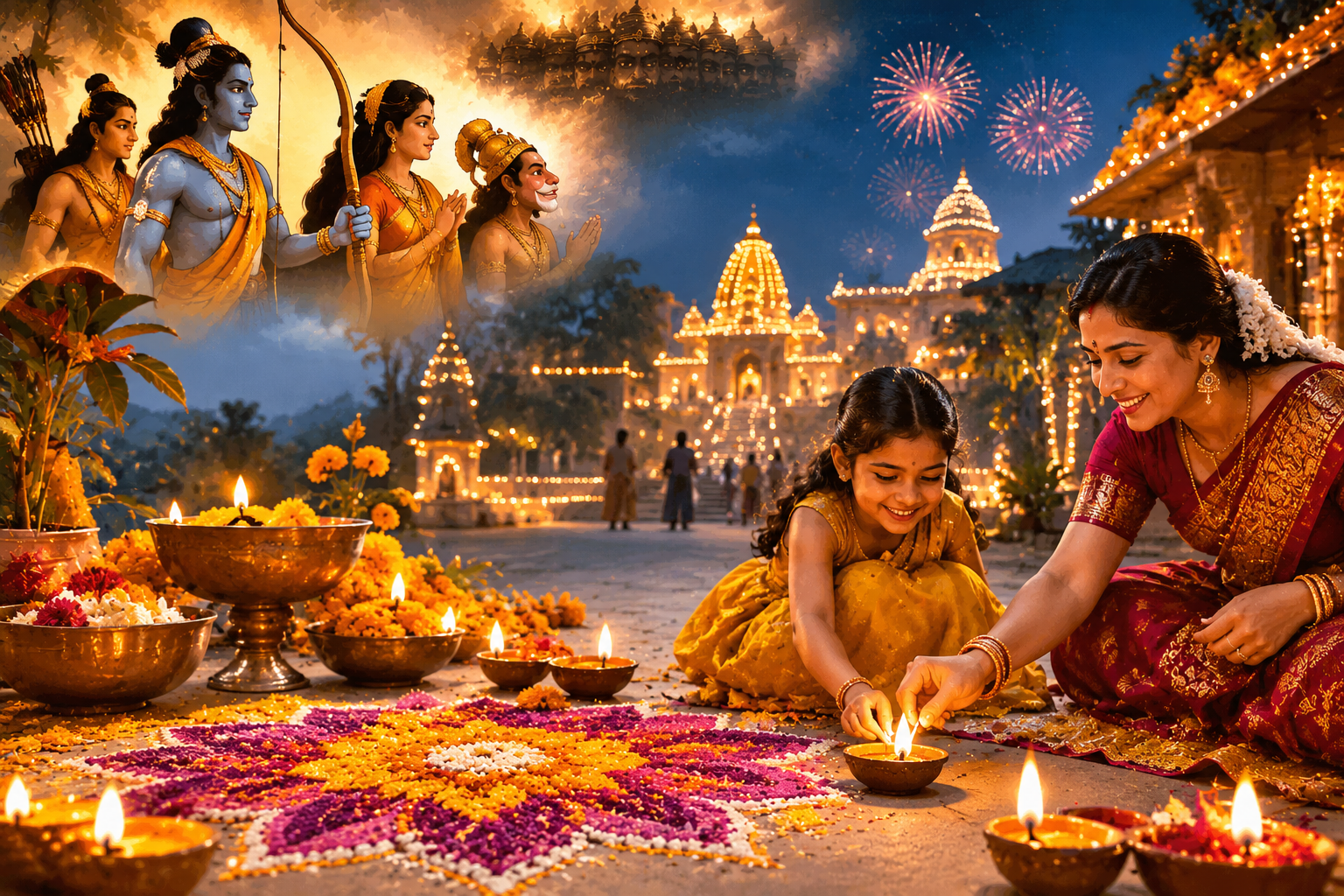
The Ramayana Connection: Why Ayodhya Lights Up for Diwali
One of the most widely recognized stories behind Diwali comes from the Hindu epic Ramayana.
According to popular tradition, Lord Rama returned to Ayodhya after spending fourteen years in exile and defeating Ravana, the king of Lanka.
Rama returned alongside Sita and Lakshmana, marking the end of a long and difficult journey.
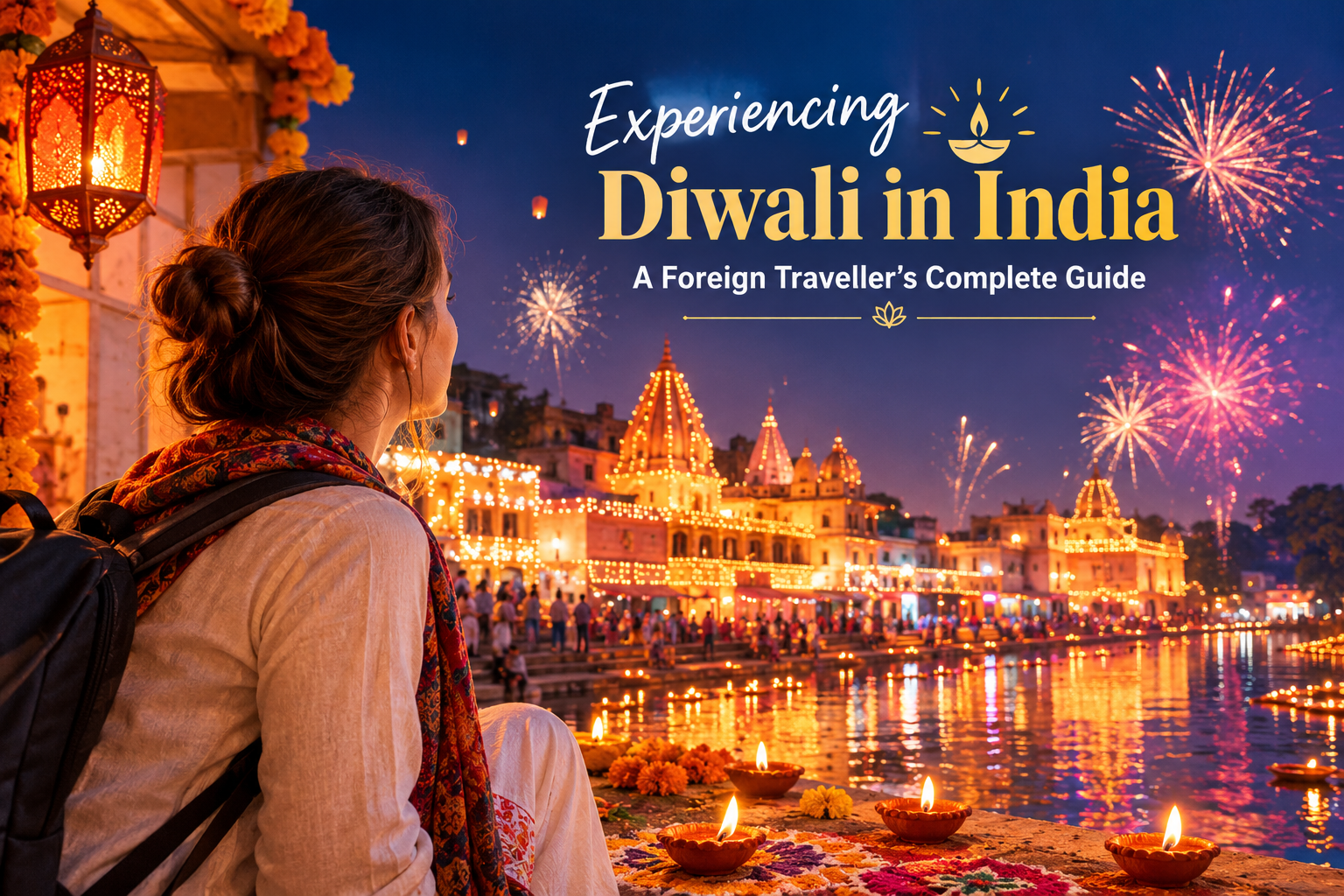
The people of Ayodhya are traditionally believed to have welcomed them by lighting rows of oil lamps throughout the city.
These lamps symbolized happiness, hope, and the victory of righteousness.
Today, this story remains central to many Diwali celebrations in northern India.
Homes are illuminated, families gather for prayers, and people exchange sweets as symbols of goodwill.
Ayodhya: Where the Story Comes Alive
Ayodhya, in Uttar Pradesh, has become a major destination for visitors interested in experiencing Diwali’s connection with the Ramayana.
During Deepotsav celebrations, the city is known for large-scale displays of earthen lamps, cultural performances, and festive decorations.
For travellers, Ayodhya offers an opportunity to experience the cultural traditions associated with Lord Rama’s homecoming.
Why Diyas Are the Heart of Diwali
The word “Deepavali” comes from Sanskrit and is commonly understood as a row of lights.
Traditional earthen lamps, known as diyas, are among the most recognizable symbols of the festival.
Lighting a diya carries several interpretations.
It can represent the triumph of light over darkness, knowledge over ignorance, and hope over despair.
Families often place lamps near entrances, balconies, windows, and prayer spaces.
In many households, lighting diyas is also associated with welcoming prosperity and positive energy.
Although electric decorations are increasingly common, traditional clay lamps remain an important part of Diwali’s cultural identity.
Rangoli: The Art That Welcomes Happiness
One of the most colorful Diwali traditions is rangoli.
These decorative patterns are created on floors, courtyards, and entrances using colored powders, flowers, rice, or other materials.
Rangoli is more than a festive decoration.
In many communities, it is considered a welcoming gesture associated with beauty, hospitality, and auspicious beginnings.
The Cultural Meaning of Rangoli
Rangoli designs often include flowers, geometric patterns, diyas, and symbols connected with prosperity.
Families may create these designs together, passing techniques from one generation to the next.
Regional forms include alpana in Bengal and kolam in Tamil Nadu, although these traditions are practiced on occasions beyond Diwali.
The materials and patterns vary, but the underlying idea of creating a welcoming space remains important.
Goddess Lakshmi and the Meaning of Prosperity
For many Hindu families, Lakshmi Puja is one of the most important Diwali rituals.
Goddess Lakshmi is associated with prosperity, good fortune, and well-being.
Families clean their homes, decorate entrances, and prepare prayer spaces before the festival.
These preparations are traditionally linked with welcoming auspiciousness.
In many business communities, Diwali also marks an important occasion for prayers, account-related customs, and hopes for a prosperous year.
The celebration reflects a broader understanding of prosperity that can include family welfare, generosity, and gratitude.
Lord Krishna and Narakasura: Another Diwali Story
Not every region connects Diwali primarily with the Ramayana.
In parts of southern and western India, Naraka Chaturdashi is associated with the defeat of the demon Narakasura.
According to different traditional accounts, Lord Krishna, sometimes alongside Satyabhama, plays a central role in Narakasura’s defeat.
The story symbolizes the overcoming of evil and the restoration of peace.
Some families mark the occasion with early-morning oil baths, prayers, new clothes, and festive meals.
These customs show how a single festival can preserve several distinct religious narratives.
Why Diwali Is Celebrated Differently Across India
One of the most fascinating aspects of Diwali celebrations in India is their regional diversity.
Although lights and family gatherings are common, the rituals, stories, and festive calendars differ.
North India: Rama’s Homecoming
Across much of northern India, Diwali is closely linked with Lord Rama’s return to Ayodhya.
Families decorate homes with diyas, perform Lakshmi Puja, and share sweets.
Markets and residential neighborhoods become especially festive during the celebration.
West Bengal: Kali Puja
In West Bengal, Kali Puja is a major observance that often coincides with the night of Diwali.
Devotees worship Goddess Kali, who is associated with divine power and the destruction of evil.
Temples and homes may be decorated with lights, while prayers and community gatherings form part of the celebrations.
Gujarat: New Beginnings
In Gujarat, Diwali is closely associated with business traditions and the Gujarati New Year, which is generally celebrated around this festive period.
Families and business communities mark the occasion with prayers, greetings, and celebrations.
The festival represents renewal and fresh beginnings.
South India: Naraka Chaturdashi
In parts of South India, early-morning celebrations are particularly significant.
Traditional oil baths, new clothes, special food, and family gatherings are common customs.
The story of Narakasura is an important cultural connection in several communities.
Diwali in Jain and Sikh Traditions
Diwali also holds significance beyond Hindu traditions.
Jainism: Mahavira’s Nirvana
For Jains, Diwali commemorates the nirvana of Lord Mahavira, the twenty-fourth Tirthankara.
The occasion is associated with spiritual reflection, prayers, and the pursuit of liberation.
Sikhism: Bandi Chhor Divas
For Sikhs, the Diwali period is associated with Bandi Chhor Divas.
It commemorates the release of Guru Hargobind from imprisonment, along with other rulers, according to Sikh tradition.
The Golden Temple in Amritsar is especially renowned for its illumination during this period.
These different observances demonstrate the cultural and religious richness surrounding the Festival of Lights.
Why Families Exchange Sweets During Diwali
Sweets are an essential part of Diwali celebrations in India.
From laddoos and barfi to kaju katli and regional delicacies, festive food plays an important role in bringing people together.
Sharing sweets expresses affection, hospitality, and goodwill.
Families prepare traditional recipes, visit relatives, and exchange gifts during the festive season.
For many people, the memories of Diwali are connected as much with familiar flavors and family kitchens as with lights and decorations.
The Five Days of Diwali and Their Cultural Meaning
Diwali is often described as a five-day festival, although observances and their timing vary across regions.
Dhanteras
Associated with auspicious beginnings, prosperity, and the worship of Dhanvantari in many traditions.
Naraka Chaturdashi
Observed in connection with the defeat of Narakasura and customs of purification and renewal.
Lakshmi Puja
The principal Diwali night for many communities, marked by prayers, diyas, and family celebrations.
Govardhan Puja or Annakut
Associated with Lord Krishna and the lifting of Govardhan Hill in Vaishnava traditions.
Bhai Dooj
Celebrates the bond between brothers and sisters through visits, blessings, and family customs.
The precise sequence and importance of these days can differ by location and religious calendar.
Diwali 2026: When Is the Festival?
In 2026, the main Diwali festival falls on Sunday, November 8, according to widely used Indian festival calendars.
However, individual rituals and regional observances may follow different local timings.
Travellers should check local festival schedules before planning temple visits or attending major celebrations.
Best Places to Experience Diwali Traditions in India
Travelling during Diwali offers a chance to discover how different regions preserve their cultural stories.
Ayodhya, Uttar Pradesh
Known for celebrations associated with Lord Rama’s return and large displays of diyas.
Varanasi, Uttar Pradesh
Offers traditional Diwali celebrations along the Ganges, while Dev Deepawali is observed separately later in the month.
Jaipur, Rajasthan
Popular for illuminated markets, festive decorations, and traditional shopping experiences.
Amritsar, Punjab
The Golden Temple is an important destination during Bandi Chhor Divas.
Kolkata, West Bengal
Offers an opportunity to experience Kali Puja and its distinctive devotional traditions.
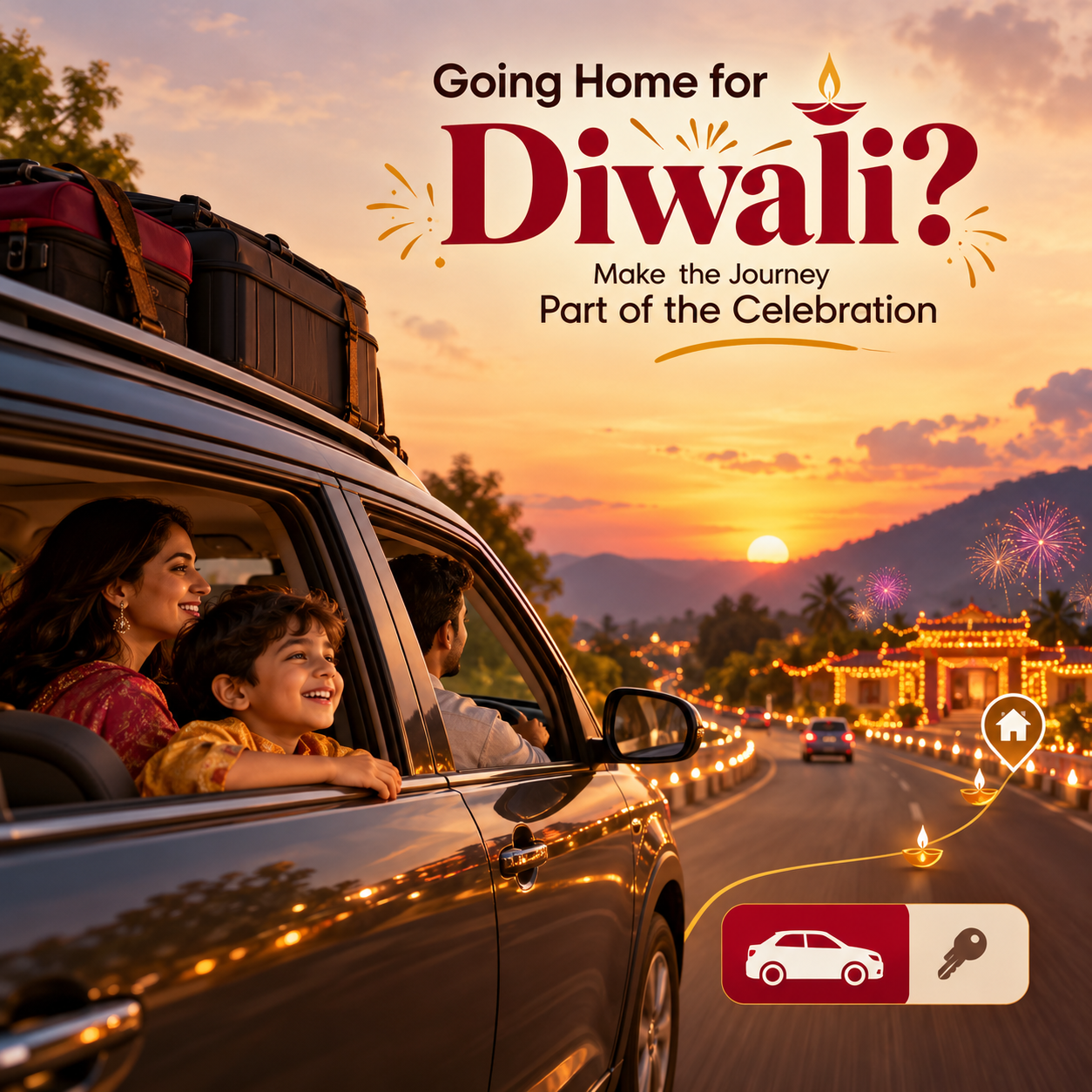
Planning a Diwali Cultural Road Trip
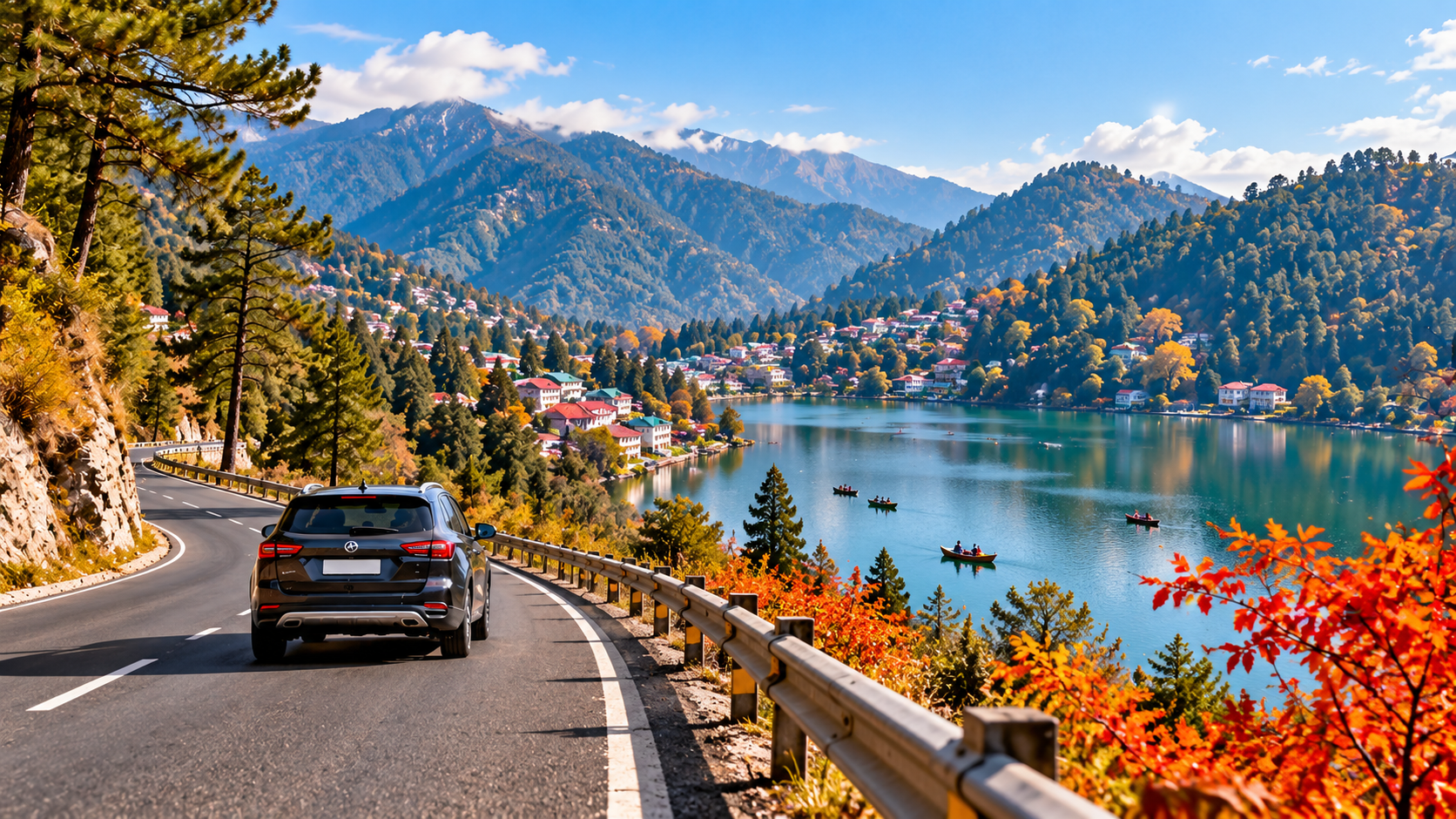
A cultural road trip can connect several destinations with different festive traditions.
For example, travelers starting from Delhi may consider visiting Ayodhya to experience the Ramayana connection or Jaipur to explore Rajasthan’s illuminated markets.
Families should consider road conditions, accommodation availability, festival crowds, and travel time before finalising their plans.
Chauffeur-driven transportation can be useful when travelling with family members or visiting multiple destinations.
Travellers should confirm vehicle availability, route details, and booking conditions before departure.
How Diwali Traditions Continue to Evolve
Modern Diwali celebrations combine longstanding customs with changing lifestyles.
Families may use electric lights alongside traditional diyas, share digital greetings, or create rangoli with flowers and reusable materials.
Many households are also becoming more conscious of waste, air quality, and responsible celebrations.
Despite these changes, the central values of togetherness, generosity, hope, and renewal remain meaningful.
Diwali continues to evolve while preserving the stories that connect generations.
Frequently Asked Questions
1. What is the main story behind Diwali?
In much of northern India, Diwali is associated with Lord Rama’s return to Ayodhya after fourteen years of exile and the defeat of Ravana. Other regions connect the festival with different traditions.
2. Why do people make rangoli during Diwali?
Rangoli is traditionally created to decorate homes and welcome guests. In many communities, it symbolises auspiciousness, beauty, and hospitality.
3. Why are diyas lit on Diwali?
Diyas symbolise light, hope, knowledge, and the victory of good over evil. They are also associated with welcoming prosperity.
4. Is Diwali celebrated the same way everywhere in India?
No. Diwali traditions differ across regions and religious communities, including celebrations associated with Rama, Krishna, Lakshmi, Kali, Mahavira, and Bandi Chhor Divas.
5. When is Diwali in 2026?
The main Diwali festival is on Sunday, November 8, 2026. Regional rituals may follow different local schedules.
Diwali celebrations in India bring together extraordinary cultural stories, from Lord Rama’s homecoming to the colourful tradition of rangoli.
Every diya, prayer, festive meal, and family gathering reflects a part of India’s diverse heritage.
Whether experienced at home or during a journey through India’s historic cities, Diwali remains a celebration of light, hope, renewal, and human connection.