Delhi Rally November 1 2026: Why It Happened & Its Impact
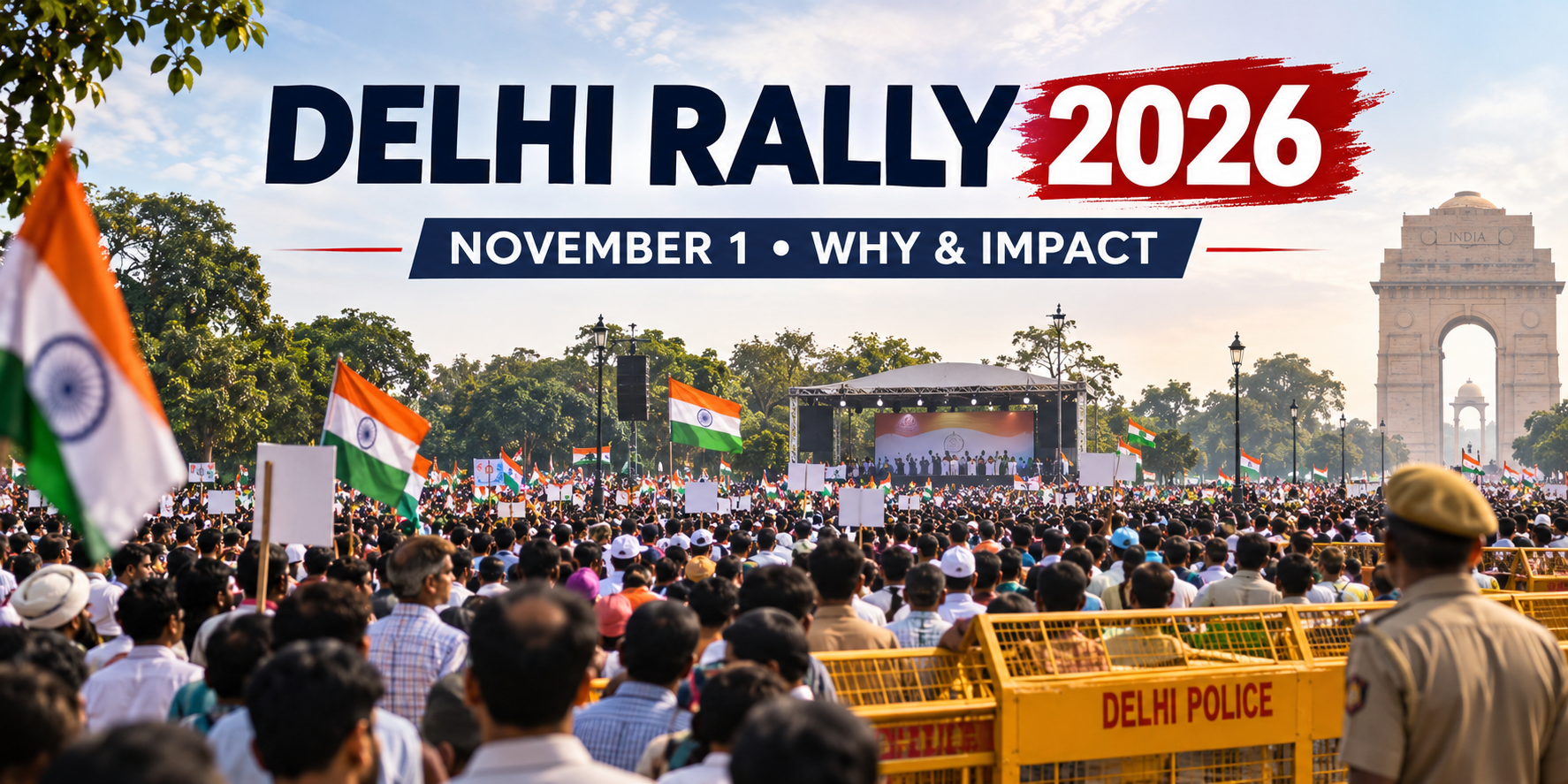
The Delhi rally November 1 2026 brought thousands of opposition supporters and political leaders to Ramlila Maidan in the national capital. Organized as part of the INDIA bloc’s campaign against alleged electoral irregularities, the gathering became a major political event while also affecting traffic movement across parts of Central Delhi.
The rally, associated with the slogans “Chalo Dilli” and “Vote Bachao, Desh Bachao,” focused on concerns over electoral rolls, the Election Commission’s Special Intensive Revision (SIR) exercise, and demands for the resignation of Chief Election Commissioner Gyanesh Kumar.
Alongside speeches and political reactions, the event required extensive security arrangements, road diversions, and travel advisories.
Here is a detailed look at why the rally happened, what unfolded at Ramlila Maidan, and how the event affected Delhi residents and commuters.
What Happened at the Delhi Rally November 1 2026?
On Sunday, November 1, 2026, leaders and supporters of the opposition INDIA bloc gathered at Delhi’s Ramlila Maidan for a large political demonstration.
The event was organized to protest alleged problems with electoral rolls and to question the functioning of the Election Commission of India.
Senior opposition figures addressed the gathering, while supporters travelled to the venue to participate in the demonstration.
The program also included a planned march towards Ramlila Maidan from the Connaught Place–Minto Road area.
Delhi Police had granted permission for the rally in advance and coordinated security and traffic arrangements around the venue.
The gathering attracted national attention because it brought together leaders from several opposition parties around a shared electoral issue.
Why Was the Delhi Rally November 1 2026 Organised?
The primary reason behind the rally was the opposition’s concern over alleged voter-list irregularities and the Special Intensive Revision of electoral rolls.
1. Opposition to the Special Intensive Revision
The Special Intensive Revision, commonly known as SIR, is an electoral-roll verification and revision exercise.
Opposition parties raised concerns that the process could result in eligible voters being removed from electoral lists.
They argued that voter-list accuracy and fair procedures are essential to protecting citizens’ voting rights.
The Election Commission has defended the legal basis of its procedures and maintained that its decisions follow the applicable statutory framework.
2. Allegations of Electoral Irregularities
Opposition leaders also raised allegations of improper voter deletions and irregularities connected with previous elections.
Congress leader Rahul Gandhi and other speakers accused the ruling BJP and the Election Commission of undermining electoral fairness.
These accusations remain political allegations rather than established findings of wrongdoing.
The BJP rejected the opposition’s claims and questioned the basis of the accusations.
3. Demand for the Chief Election Commissioner’s Resignation
Another major demand was the resignation of Chief Election Commissioner Gyanesh Kumar.
Opposition leaders argued that the controversies surrounding electoral rolls had damaged public confidence in the institution.
The rally therefore became a platform for demanding accountability and changes in electoral administration.
4. Demonstration of Opposition Unity
Beyond the immediate demands, the gathering was also intended to demonstrate coordination among opposition parties.
By holding a joint event in the national capital, participating parties sought to bring greater public attention to their concerns.
The rally formed part of a wider program of demonstrations and political outreach announced by opposition leaders.
Who Participated in the Ramlila Maidan Rally?
The November 1 rally featured several prominent opposition leaders.
Those reported to have addressed or participated in the gathering included Rahul Gandhi, Mallikarjun Kharge, Akhilesh Yadav, Mamata Banerjee, Tejashwi Yadav and Farooq Abdullah, alongside other INDIA bloc representatives.
The speakers focused on electoral transparency, democratic institutions, and the opposition’s demands regarding voter-list revisions.
Rahul Gandhi criticized the Election Commission and the central government, while other leaders raised concerns about the potential consequences of electoral roll changes.
The event also drew political reactions from BJP leaders, who disputed the opposition’s allegations and criticized the demonstration.
How Many People Attended?
There was no single independently verified attendance figure available in the reports reviewed.
Before the rally, police discussed arrangements for a venue capacity of approximately 45,000–50,000 people. The Indian Youth Congress later claimed that more than 20,000 of its workers had attended.
These figures should not be treated as a confirmed total turnout.
What Were the Major Developments During the Rally?
Several developments made the event significant beyond the gathering itself.
Speeches on Electoral Transparency
Opposition leaders repeatedly raised concerns about voter-list revisions and the alleged removal of eligible voters.
Speakers presented the issue as a matter of democratic accountability and called for continued public mobilization.
Political Reactions
The BJP challenged the opposition’s claims and criticized the rally.
BJP representatives argued that the opposition was questioning constitutional institutions without adequately substantiating its accusations.
The disagreement reflected a wider political dispute over election administration and institutional accountability.
Security Arrangements
Delhi Police deployed personnel around Ramlila Maidan and nearby roads.
Entry screening, barricading, traffic regulation, and crowd-management measures were implemented to manage the gathering.
Police later reported that the main rally concluded peacefully, although separate reports described detentions involving protesters on Minto Road.
How Did the Delhi Rally Affect Traffic on November 1?
While the rally’s main purpose was political, its impact extended to commuters travelling through Central Delhi.
Delhi Traffic Police announced restrictions and diversions from 10 AM to 5 PM on November 1, 2026.
The arrangements were intended to accommodate participants, maintain emergency access, and regulate vehicle movement around the venue.
Major Roads Affected
Traffic advisories identified several important routes where movement could be disrupted:
- Bahadur Shah Zafar Marg, particularly between ITO and Delhi Gate
- Jawaharlal Nehru Marg
- Aruna Asaf Ali Road
- Minto Road
- Ranjeet Singh Flyover
- Barakhamba Road towards Mandi House
- Daryaganj and Delhi Gate stretches
- Roads around Kamla Market and Hamdard Chowk
Restrictions were also planned at intersections, including Rajghat, Ajmeri Gate, Turkman Gate, and Jhandewalan.
Not every listed road was necessarily closed throughout the advisory period. Diversions and restrictions depended on crowd movement and prevailing traffic conditions.
Impact on Railway Station Passengers
Travellers heading towards New Delhi Railway Station were among those advised to plan their journeys carefully.
Police suggested alternative approaches through Connaught Place, Chelmsford Road, Minto Road, and Bhavbhuti Marg, depending on the direction of travel.
Passengers with scheduled trains were encouraged to allow extra time.
Impact on Public Transport
Bus movement on selected Central Delhi roads was subject to regulation.
Delhi Metro was recommended as a practical alternative for commuters seeking to avoid road congestion near the rally venue.
For people travelling to meetings, railway stations, or other time-sensitive appointments, the restrictions created a need for advance route planning.
What Happened After the Delhi Rally?
The rally’s conclusion did not immediately eliminate every traffic-management concern.
As participants dispersed, movement around the venue and adjoining roads required continued coordination.
The main gathering concluded peacefully according to police reports, and political reactions continued into the evening.
1. Crowd Dispersal and Road Movement
After a large gathering, participants typically leave the venue in different directions.
This can temporarily increase pedestrian movement, vehicle demand, and congestion around nearby intersections.
However, the available reports do not establish a precise time when every affected road returned to normal.
2. Political Debate Continued
The rally triggered further statements from both opposition and ruling-party representatives.
Opposition leaders reiterated their concerns over electoral rolls and the Election Commission, while BJP leaders challenged the accusations and criticized the event.
The political debate therefore continued after the physical gathering had ended.
3. Impact on Commuters
For Delhi residents, the immediate practical issue was the disruption of normal travel patterns during the rally period.
Motorists needed to consider diversions, while passengers travelling to railway stations or scheduled appointments had to account for potential delays.
The event demonstrated how a large public gathering can influence mobility beyond the immediate protest location.
There is no verified basis to claim that the rally caused a citywide shutdown or that all affected routes remained blocked on Monday, November 2.
What Can Delhi Learn From Large Political Gatherings?
Delhi frequently hosts political rallies, demonstrations, religious events, cultural celebrations, and major public programs.
These gatherings are part of the city’s public life, but they can also place temporary pressure on its road network.
The November 1 rally highlighted several practical lessons.
Check Traffic Advisories Before Travelling
Commuters should monitor official announcements from the Delhi Traffic Police before travelling through areas hosting large gatherings.
Advisories may identify restricted roads, diversion points and recommended alternatives.
Allow Additional Travel Time
Travellers with fixed appointments should avoid planning journeys around the assumption that normal travel times will apply.
This is particularly important for airport transfers, railway departures and business meetings.
Consider Public Transport
Metro services can sometimes provide a useful alternative when surface traffic is restricted.
However, passengers should also check station accessibility and crowd conditions.
Keep Travel Plans Flexible
Businesses and individuals may benefit from adjusting departure times, meeting schedules or pickup locations when major events affect road access.
How Major Rallies Affect Corporate and Business Travel
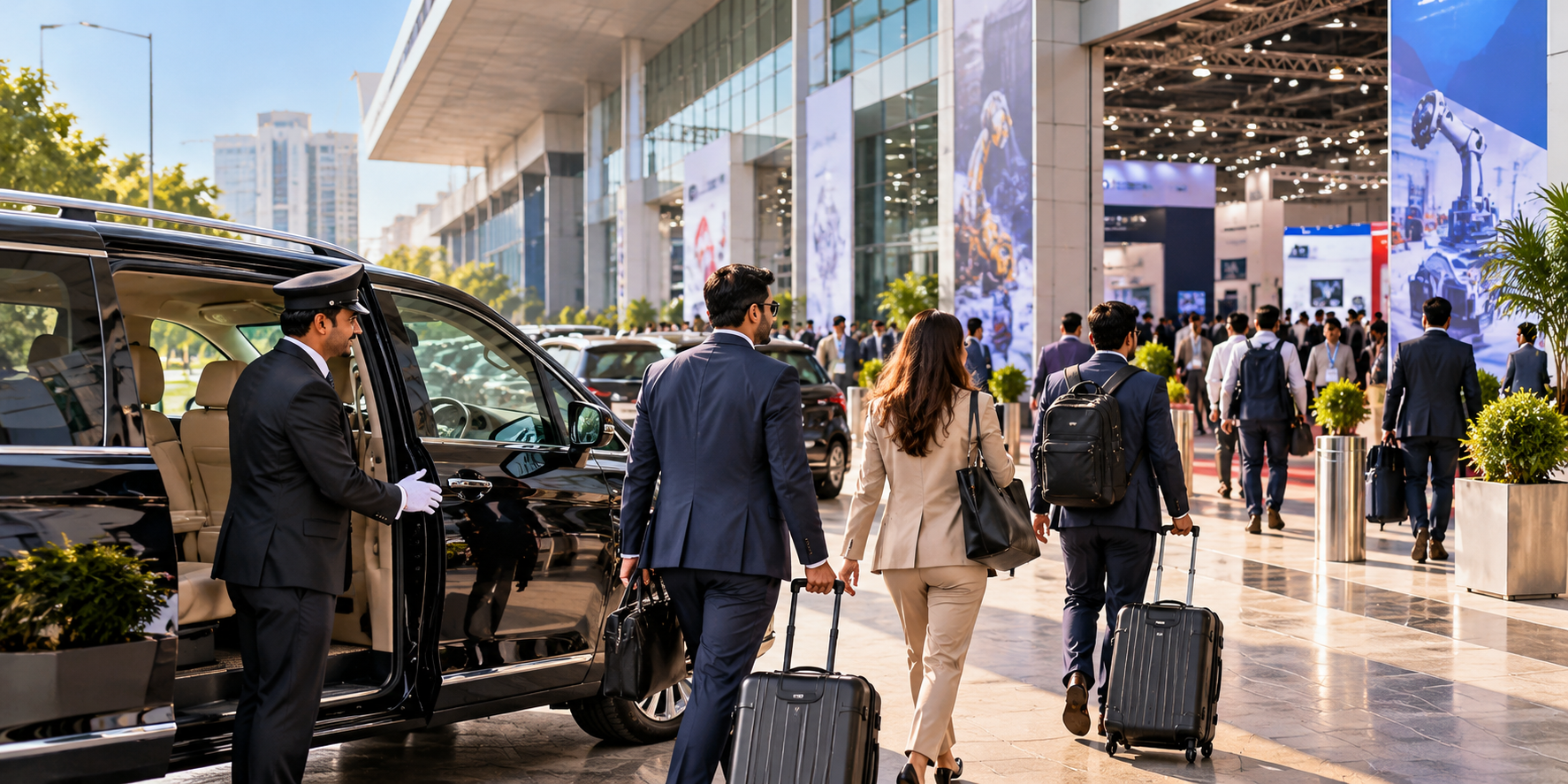
Political gatherings can create additional challenges for companies managing employee commutes, executive travel and client visits.
A business traveller may need to cross Central Delhi for a meeting, while an organisation may have employees travelling between different office locations.
When restrictions are announced, advance coordination becomes especially important.
Businesses can reduce avoidable inconvenience by monitoring advisories, reviewing pickup points and communicating possible changes to employees or visitors.
For those arranging chauffeur-driven journeys, Indian Travel House offers car rental services in Delhi and transportation solutions for personal and corporate travel requirements.
While no transport provider can guarantee an unrestricted route during police diversions, discussing travel schedules and alternative pickup arrangements in advance can make journeys easier to plan.
Frequently Asked Questions
1. Why was the Delhi rally held on November 1, 2026?
The rally was organised by the opposition INDIA bloc to protest alleged electoral irregularities, raise concerns over the Special Intensive Revision of voter lists and demand the resignation of Chief Election Commissioner Gyanesh Kumar.
2. Where did the November 1 Delhi rally take place?
The main gathering took place at Ramlila Maidan in Central Delhi. A march towards the venue was also planned from the Connaught Place–Minto Road area.
3. Who organised the Delhi rally?
The rally was associated with the Congress and the wider INDIA opposition bloc, with leaders and supporters from multiple opposition parties participating.
4. Which roads were affected by the rally?
Traffic advisories identified roads around ITO, Delhi Gate, JLN Marg, Minto Road, Kamla Market, Barakhamba Road and other Central Delhi locations.
5. What were the traffic restriction timings?
Delhi Traffic Police announced restrictions and diversions for November 1 from 10 AM to 5 PM, with implementation depending on local traffic and security requirements.
6. Did the Delhi rally end peacefully?
Delhi Police reported that the main gathering concluded peacefully amid security arrangements. Separate reports also described detentions of protesters on Minto Road.
7. Were roads still closed on November 2?
The November 1 advisory does not establish continuing road closures on November 2. Travellers should check current official advisories rather than assume that the previous day’s restrictions remain active.
The Delhi rally November 1 2026 was a significant opposition gathering centred on electoral-roll revisions, alleged irregularities and demands for accountability from the Election Commission.
Leaders from several political parties used the event to present their concerns, while the BJP rejected the allegations and criticised the protest.
Beyond its political significance, the rally affected traffic management across parts of Central Delhi, requiring diversions, additional security and changes to travel plans.
For residents, businesses and visitors, the event highlighted the importance of checking official advisories and preparing for temporary road restrictions during large public gatherings.
Whether travelling for business or personal reasons, advance planning remains one of the most practical ways to manage disruptions.