Traditional vs Modern Diwali: What Has Really Changed?
The story of traditional vs modern Diwali is not about deciding which generation celebrated better. It is about understanding how traditions evolve while the emotions behind them remain surprisingly familiar.
There was a time when Diwali began long before the first diya was lit.
It began with the sound of someone cleaning the house early in the morning, the smell of homemade sweets coming from the kitchen, and children waiting impatiently for their new clothes.
The excitement was not only about the festival itself. It was about relatives arriving unexpectedly, cousins gathering in one room, and grandparents sharing stories that everyone had heard before but still loved listening to.
Today, Diwali looks a little different.
Homes sparkle with decorative LED lights, gifts arrive through online deliveries, family photographs appear instantly on social media, and video calls connect relatives living thousands of kilometres apart.
Everything has become faster, brighter, and more convenient.
But somewhere between traditional celebrations and modern lifestyles, an important question remains:
Have we changed the way we celebrate Diwali, or have we simply changed the way we come together?
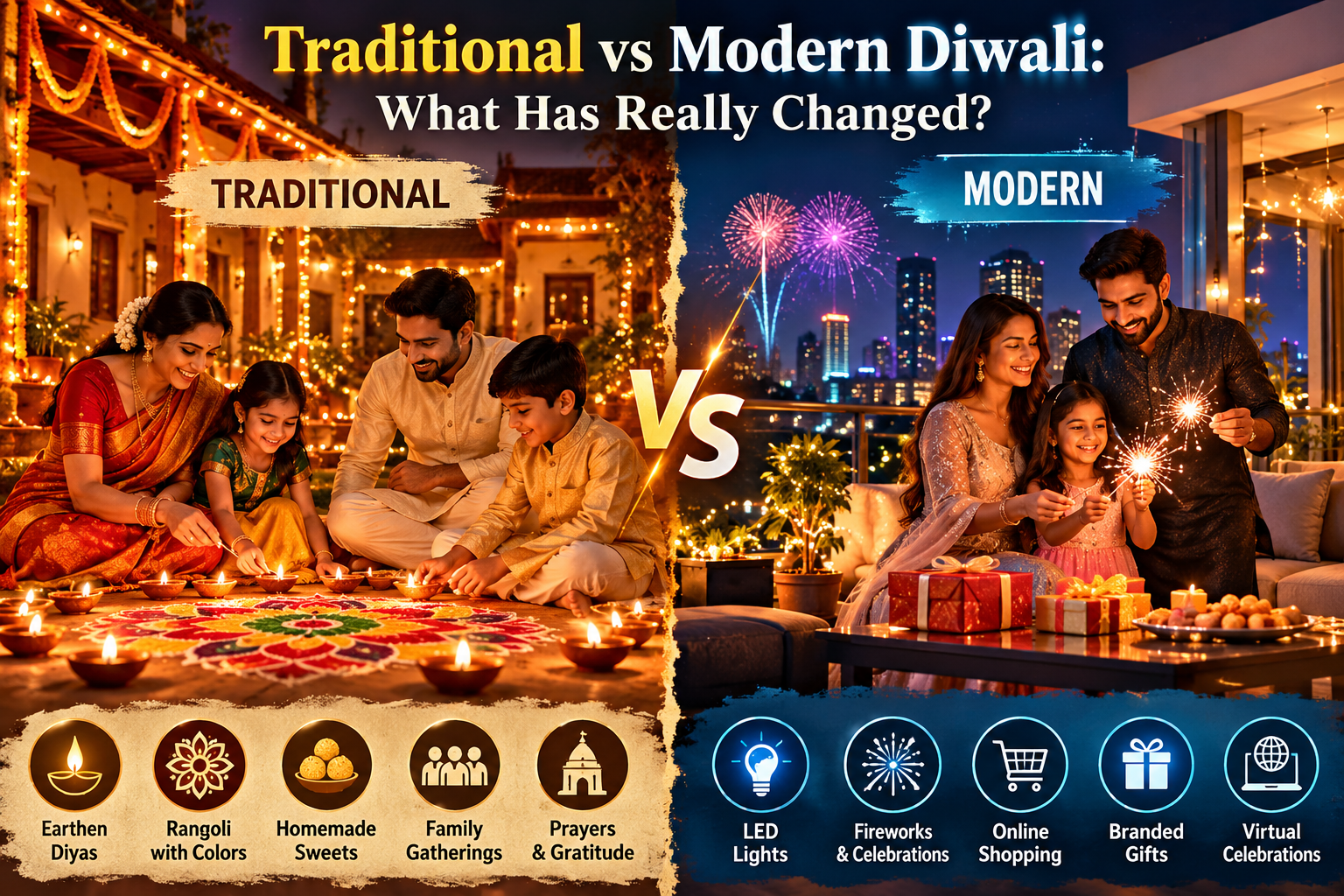
Traditional vs Modern Diwali: The Festival We Remember
Ask someone about their childhood Diwali, and they may not remember how expensive the decorations were or how many gifts they received.
They will probably remember the people.
Perhaps it was their grandmother making sweets in the kitchen. Their father is returning home with bags full of decorations. Their mother is carefully placing diyas around the entrance.
Or the excitement of visiting relatives after sunset, dressed in new clothes and carrying boxes of sweets.
Traditional Diwali celebrations often revolved around small rituals that brought the entire household together.
Children helped make rangoli, families cleaned and decorated their homes, and neighbors exchanged homemade treats.
Even the preparations felt like a celebration.
There was no need to plan every moment. People simply spent time together.
And that is what made those memories special.
1. Traditional Diwali Decorations vs Modern Lighting
One of the most visible differences between traditional and modern Diwali is how we decorate our homes.
Then: Clay Diyas, Marigolds, and Handmade Rangoli
Traditional Diwali decorations were simple but meaningful.
Clay diyas were filled with oil, cotton wicks were prepared by hand, and flowers decorated doorways.
Children watched carefully as the first diya was lit.
Families gathered around rangoli designs made with colored powders, flowers, or rice.
These activities required time, patience, and participation.
The beauty was not only in the finished decoration but in the moments spent creating it.
Now: LED Lights and Contemporary Decorations
Modern Diwali decorations include LED lights, electric lanterns, decorative candles, and ready-made rangoli designs.
Homes and apartment balconies can be transformed within hours.
These decorations offer convenience, variety, and opportunities for creative expression.
Yet many families continue to place traditional diyas alongside modern lighting.
Perhaps that combination represents Diwali today: new ideas finding their place beside old memories.
2. Homemade Sweets vs Online Festive Gifting
Food has always been an important part of Diwali.
For many people, childhood memories of the festival are inseparable from the smell of freshly prepared sweets.
Then: Recipes Passed Down Through Generations
Traditional Diwali preparations often involved several family members.
Grandparents shared recipes, parents prepared ingredients, and children waited for the first batch of sweets.
The kitchen became one of the busiest and happiest places in the house.
Every family had something special: homemade laddoos, gujiya, namak para, or another favorite recipe.
Sharing those dishes with neighbors and relatives was part of the celebration.
Now: Gift Hampers and Online Deliveries
Today, festive gifting is more convenient.
People can send sweets, chocolates, dry fruits, and personalized hampers across cities with a few clicks.
For families living far apart, these services make it easier to express affection despite the distance.
But receiving a beautifully packed gift and sharing sweets while sitting together are different experiences.
One sends a thoughtful message. The other creates a shared memory.
And sometimes, what people miss most is not the sweet itself, but the person who used to make it.
3. Traditional vs Modern Diwali: Family Gatherings
Perhaps the biggest change in Diwali celebrations is not visible in decorations or gifts.
It is visible in the way families live today.
When Everyone Lived Close to Home
In many families, relatives once lived within the same town or nearby neighborhoods.
Visiting grandparents, uncles, aunts, and cousins required little planning.
A short walk or a quick journey could bring everyone together.
Festivals were filled with familiar faces, crowded living rooms, and conversations that continued late into the evening.
When Families Live Across Different Cities
Modern life has created new opportunities.
People move to Delhi, Gurugram, Noida, Mumbai, Bengaluru, and other cities for education, careers, and business.
These opportunities help families grow, but they can also create physical distance.
A son working in another city may not visit his parents as often as he wishes.
A daughter may need to coordinate leave from work before travelling home.
Grandparents may wait for the festive season because it is one of the few times the entire family can gather.
Technology helps people stay connected through calls and messages.
But a video call cannot completely replace sitting beside someone, sharing a meal or hearing familiar laughter across the dining table.
Sometimes, the most meaningful Diwali gift is simply showing up.
4. How Diwali Travel Has Changed Over the Years
The evolution of Diwali celebrations is also reflected in how people travel.
In earlier times, many family visits involved familiar bus routes, train journeys, or short drives to nearby towns.
Travelling together was part of the excitement.
Children looked out of windows, families carried homemade food, and conversations filled the journey.
Today, festive travel can involve flights, railway reservations, airport pickups, and long-distance road journeys.
For working professionals and families living in different cities, planning a Diwali reunion often requires coordinating schedules, transportation, and accommodation.
Modern transportation has made many journeys more convenient, but the reason behind them remains deeply personal.
A family travelling from Delhi to Jaipur may be going to celebrate with grandparents.
Someone booking an airport pickup may be returning home after months abroad.
Parents arranging a car for a family gathering may simply want everyone to travel comfortably together.
The vehicle may have changed.
The roads may have changed.
But the happiness of reaching home and seeing someone waiting at the door has not changed.
5. The Journey Home: Where Indian Travel House Connects
Every Diwali, countless journeys have a meaning beyond their destination.
A father waits at the airport to welcome his daughter.
An elderly couple prepares their home because their children are visiting after several months.
A family plans a road trip to celebrate the festival with relatives in another city.
These moments remind us that transportation is not always just about moving from one location to another.
Sometimes, it is about bringing people closer.
This is where professional travel services can become part of the festive experience.
Indian Travel House provides chauffeur-driven car rental services for airport transfers, local travel, outstation journeys, and other transportation requirements.
For families travelling with children, elderly relatives, or luggage, a pre-arranged vehicle with a professional driver can make the journey more comfortable and easier to manage.
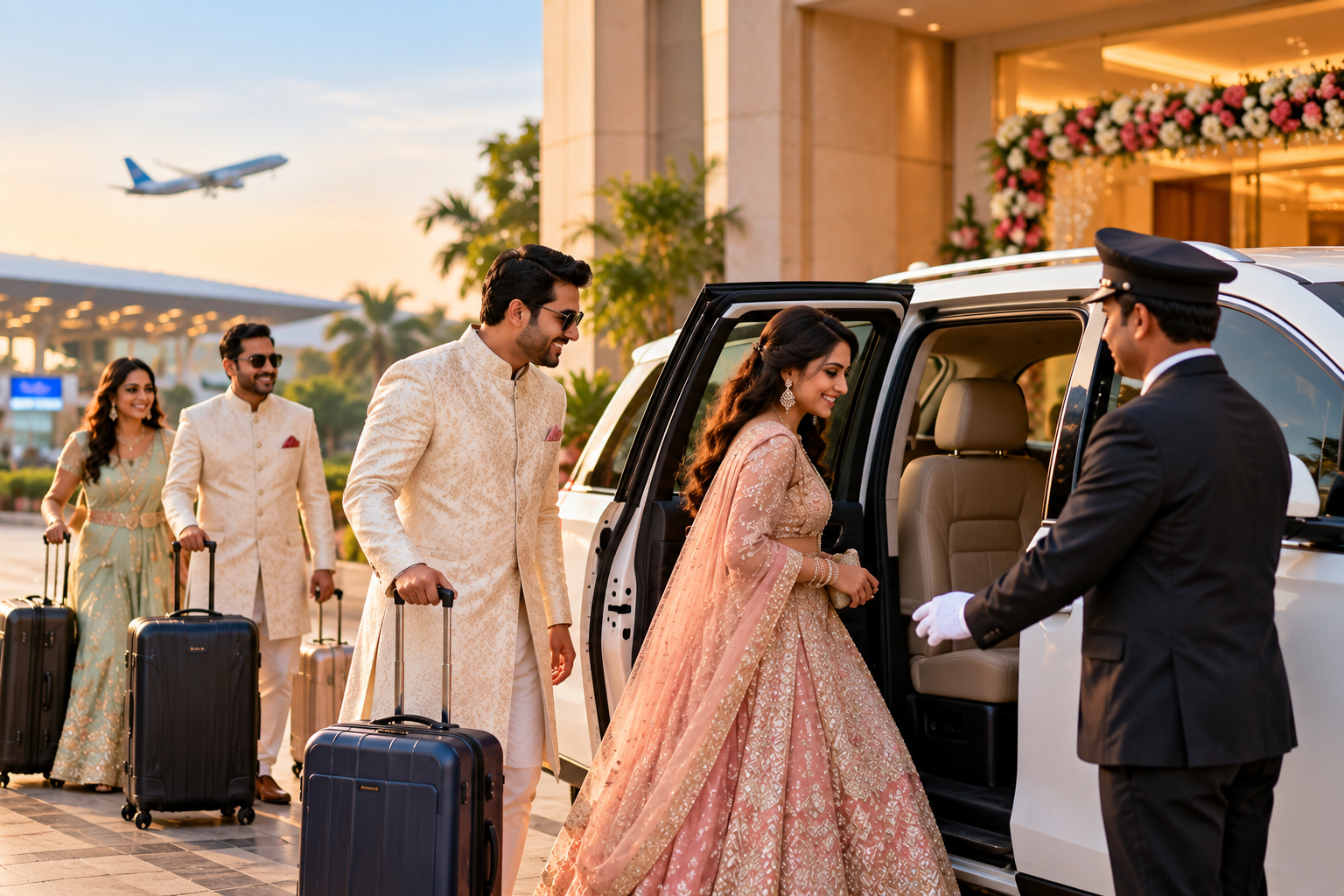
Consider a family arriving at Delhi Airport for Diwali.
After a long flight, they may still need to travel to Gurugram, Noida, or another destination in Delhi NCR.
A planned airport transfer helps them continue their journey without having to organize transportation after arrival.
Similarly, a family visiting relatives in another city may prefer travelling together in one vehicle rather than coordinating separate rides.
The purpose of the service is practical: transportation that fits the journey.
But the purpose of the journey can be much more meaningful.
Because for the person waiting at home, the most important part is not which car arrives.
It is who steps out of it.
6. Traditional Diwali Shopping vs Modern Convenience
Diwali shopping has also changed significantly.
Then: A Family Visit to the Market
Shopping for Diwali was once a family outing in itself.
Parents took children to crowded markets to buy clothes, decorations, sweets, and gifts.
Markets were filled with festive colors, familiar shopkeepers, and the excitement of choosing something new.
Children often looked forward to the outing as much as the purchases.
Now: Shopping Without Leaving Home
Today, online marketplaces allow people to compare products, order gifts and arrange deliveries without visiting a store.
This saves time, particularly for working professionals with busy schedules.
Yet traditional markets continue to attract families during Diwali.
Places such as Chandni Chowk in Delhi and Johari Bazaar in Jaipur remain associated with festive shopping and local culture.
Modern convenience has not eliminated traditional experiences.
Instead, families can choose how they want to celebrate.
Some may prefer online shopping, while others still enjoy an evening exploring decorated markets together.
7. Traditional vs Modern Diwali: What Has Technology Changed?
Technology has transformed the way people communicate during festivals.
Earlier, Diwali greetings often meant visiting someone personally, sending a greeting card or making a phone call.
Today, a single message can reach hundreds of people within seconds.
Families share festive photographs, video greetings and moments from celebrations through social media.
Relatives living abroad can join family conversations through video calls.
These changes have made communication easier.
However, they have also created a different challenge.
It is possible to spend an entire festive evening documenting moments without fully experiencing them.
A family photograph is valuable because it preserves a memory.
But the memory itself is created when people are present with one another.
Perhaps the best approach is to enjoy the convenience of technology without allowing it to replace personal connections.
Take photographs.
Share greetings.
Make video calls.
But also put the phone aside and enjoy the people sitting beside you.
8. Can Traditional and Modern Diwali Exist Together?
Traditional and modern Diwali do not have to compete.
A family can decorate its home with LED lights while lighting clay diyas.
It can order sweets online while preparing a favourite family recipe.
It can send digital greetings to distant relatives while visiting those who live nearby.
It can use modern transportation to continue a tradition that has existed for generations: returning home for the festival.
In fact, modern convenience can sometimes help preserve traditions.
A family that lives hundreds of kilometres apart may find it easier to organise a reunion because transportation and communication have improved.
The important thing is not whether a celebration looks traditional or modern.
It is whether the people celebrating still feel connected.
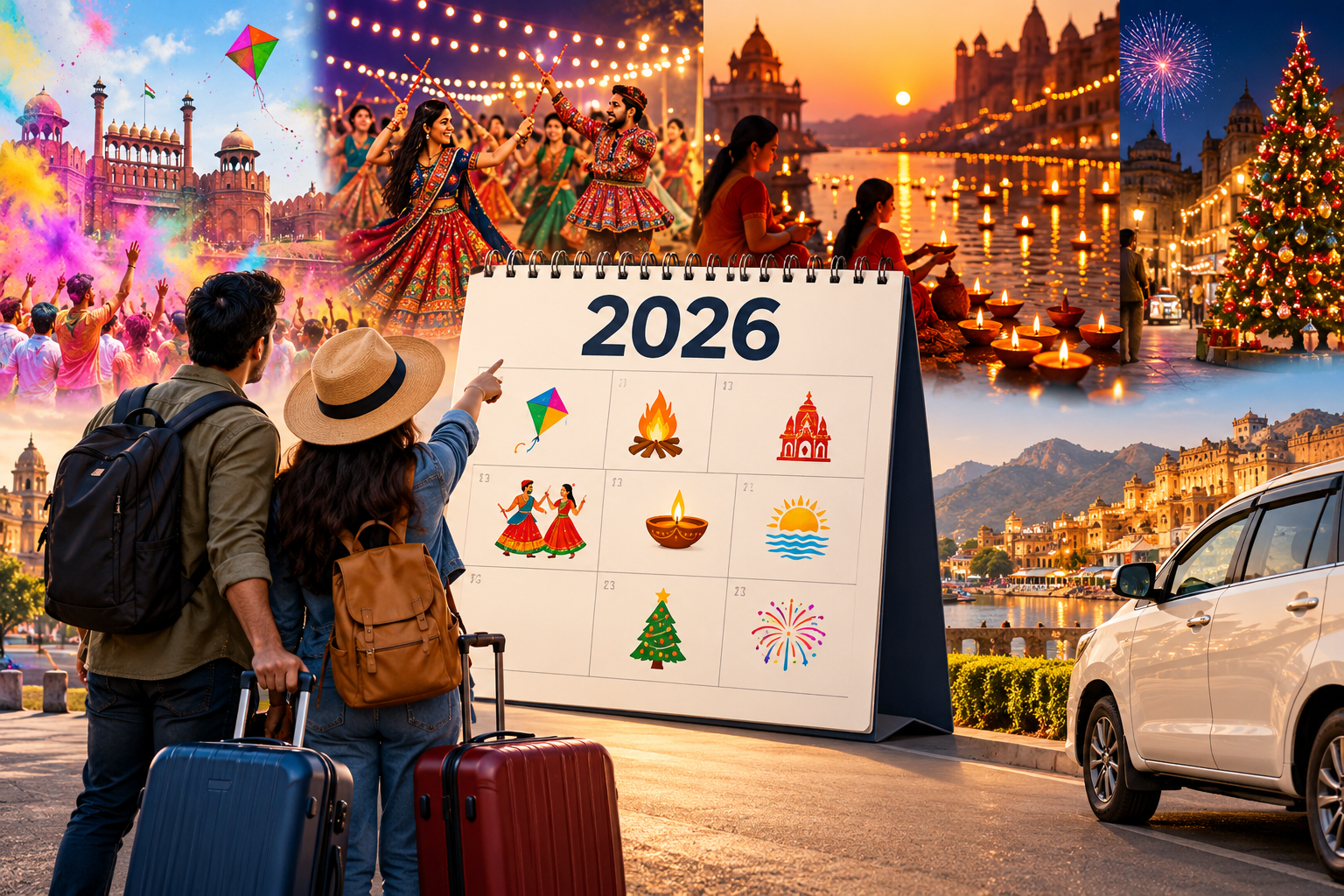
9. Diwali 2026: Make Time for the People Who Matter
Diwali 2026 falls on Sunday, 8 November, according to India’s official tourism information.
For families living in different cities, this is a good time to begin planning visits, coordinating leave and arranging travel.
Not every celebration needs an elaborate itinerary.
Sometimes, a simple visit to your parents, an evening with grandparents or a family meal can become the most memorable part of the festival.
If you are travelling from Delhi NCR to another city, visiting relatives locally or arranging airport transfers for family members, planning transportation in advance can reduce last-minute uncertainty.
You can explore the transportation services offered by Indian Travel House when organising your festive journey.
For more information about Diwali traditions and celebrations across India, visit the official Incredible India Diwali guide.
Frequently Asked Questions
What is the difference between traditional and modern Diwali?
Traditional Diwali often emphasises handmade decorations, homemade sweets, in-person visits and family rituals. Modern celebrations may include LED lighting, online gifting, digital greetings and organised travel. Many families combine both approaches.
Is traditional Diwali disappearing?
Traditional customs continue in many households, although the way people participate in them is changing. Clay diyas, rangoli, family prayers and festive meals remain meaningful parts of Diwali celebrations.
How has modern life changed Diwali celebrations?
Urban lifestyles, work commitments, technology and families living in different cities have influenced how people celebrate. Digital communication and modern transportation also make it easier for distant relatives to stay connected.
Why is travelling home important during Diwali?
For many people, Diwali is associated with family reunions, childhood memories and shared traditions. Returning home allows them to reconnect with loved ones and participate in familiar celebrations.
How can families plan comfortable Diwali travel?
Families can confirm travel dates early, arrange suitable transportation, allow extra time for festive traffic and coordinate pickup locations. Chauffeur-driven car rentals may be useful for airport transfers, group journeys and outstation family visits.
Conclusion: The Lights Have Changed, but the Feelings Haven’t
The story of traditional vs modern Diwali is really the story of how our lives have changed.
Our homes may have brighter lights.
Our gifts may arrive in carefully packed boxes.
Our greetings may travel through smartphones instead of handwritten cards.
And our journeys home may involve flights, highways and chauffeur-driven cars instead of the familiar routes we travelled as children.
But some things remain the same.
Parents still wait for their children to return.
Grandparents still look forward to having the family together.
Children still remember the excitement of Diwali preparations.
And a house still feels more festive when the people we love are inside it.
At Indian Travel House, we believe that journeys matter because of the people and moments they connect.
Traditional or modern, Diwali has always been about coming together.
The decorations may change. The celebrations may evolve. The distance between families may grow.
But no matter how modern Diwali becomes, the feeling of coming home will always remain timeless.