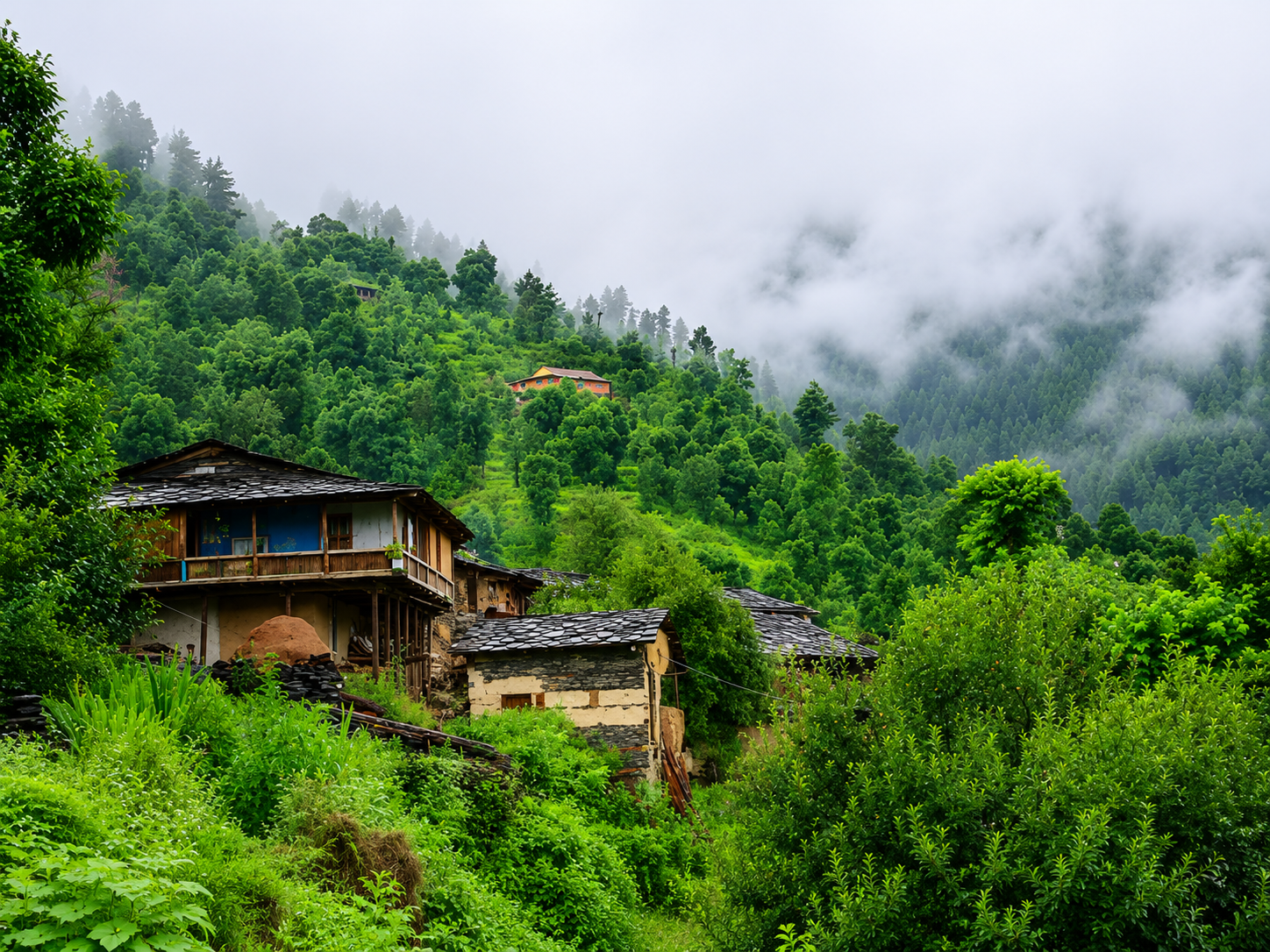
Tirthan Valley is one of those rare hill destinations that still feels untouched by heavy tourism and crowded markets. While many hill stations attract traffic, long hotel queues, and busy streets, Tirthan Valley attracts travellers looking for something quieter, slower, and closer to nature.
Travellers planning mountain holidays often compare Tirthan Valley with destinations featured in our guides on Best Places to Visit in August, Best Places to Visit in Monsoon in India, and Delhi to Shimla Distance.
Hidden in the mountains of Himachal Pradesh, Tirthan Valley still feels untouched compared to destinations like Manali or Shimla. There are no large shopping streets, no endless traffic jams, and no overcrowded viewpoints. Instead, you get rivers flowing beside wooden cottages, pine forests stretching across hillsides, and mornings that begin with the sound of birds rather than car horns.
The valley gets its name from the Tirthan River, which flows through the region before joining the Beas River. Over the last few years, Tirthan Valley has quietly become one of India’s favourite offbeat destinations, especially among travellers who want mountain views without the crowds.
Whether you’re planning a weekend escape from Delhi, a road trip with friends, or a peaceful workcation, this guide covers everything you need to know about Tirthan Valley including places to visit, trip budget, hotels, food, and travel tips.
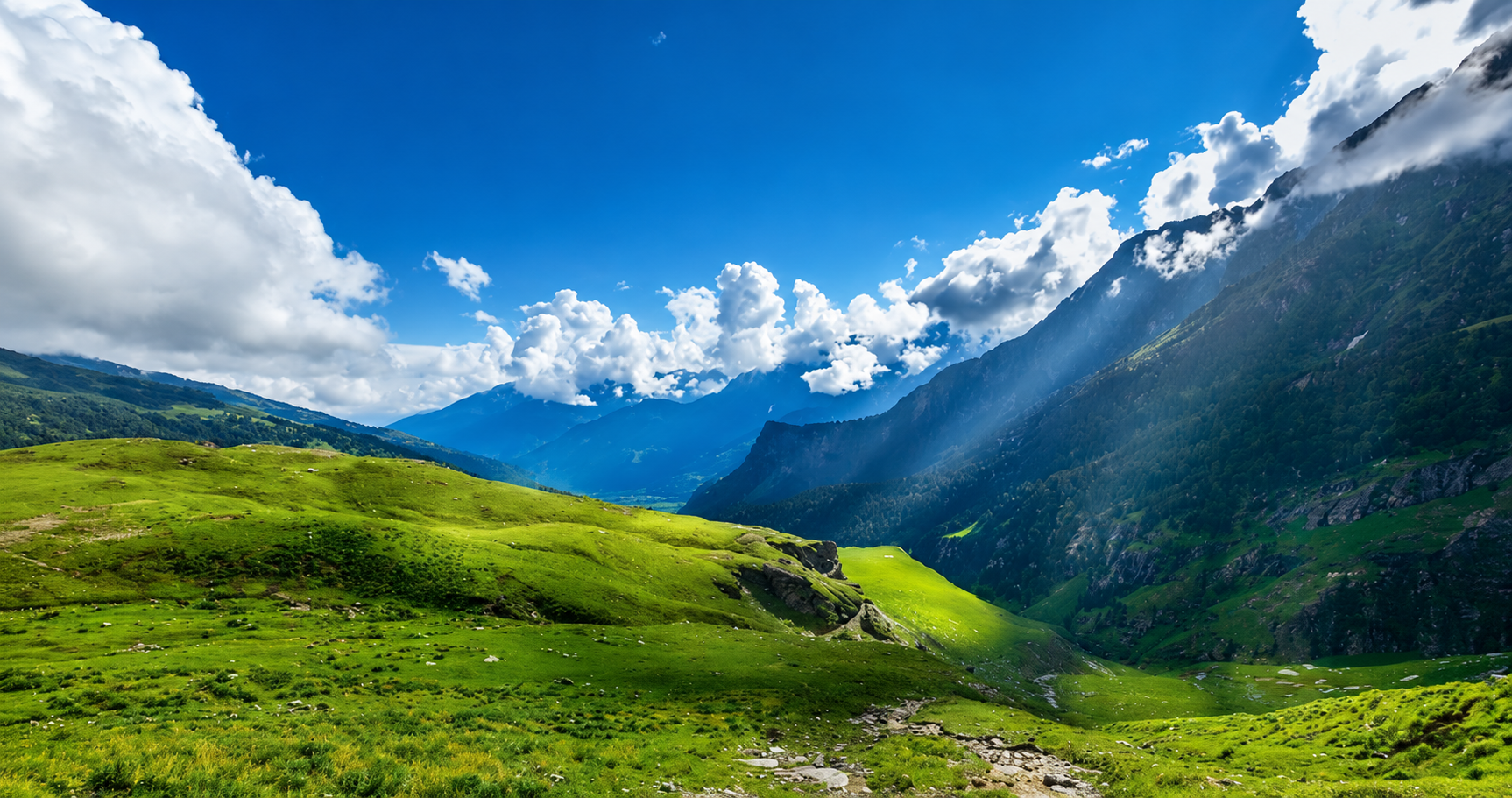
If you’re short on time, here’s why Tirthan Valley deserves a place on your travel list:
For most travellers, three days are enough to explore the valley comfortably.
Tirthan Valley is located in the Kullu district of Himachal Pradesh and lies around 500 kilometres from Delhi and approximately 70 kilometres from Kullu town.
The region is part of the buffer zone of the Great Himalayan National Park, a UNESCO World Heritage Site known for its biodiversity and trekking routes.
The villages of Gushaini, Banjar, and Jibhi serve as the main base locations for travellers exploring the valley.
One of the biggest advantages of Tirthan Valley is that it can be visited almost throughout the year.
The weather remains pleasant with temperatures ranging between 12°C and 25°C. This is the best season for sightseeing, riverside stays, and trekking.
The monsoon months turn the valley extremely green and beautiful. Waterfalls become more active and the forests look fresh, although landslides can occasionally affect road travel.
Winter attracts travellers looking for snow and peaceful mountain experiences. Nearby areas such as Jalori Pass often receive snowfall during this period.
Most travellers reach Tirthan Valley by road.
The drive from Delhi takes approximately 10 to 12 hours depending on traffic conditions. Many people prefer overnight Volvo buses to Aut, followed by local taxis to Gushaini or Jibhi.
Travellers coming from Chandigarh can reach Tirthan Valley in around 7 to 8 hours.
The nearest airport is Bhuntar Airport near Kullu, located approximately 50 kilometres away from the valley.
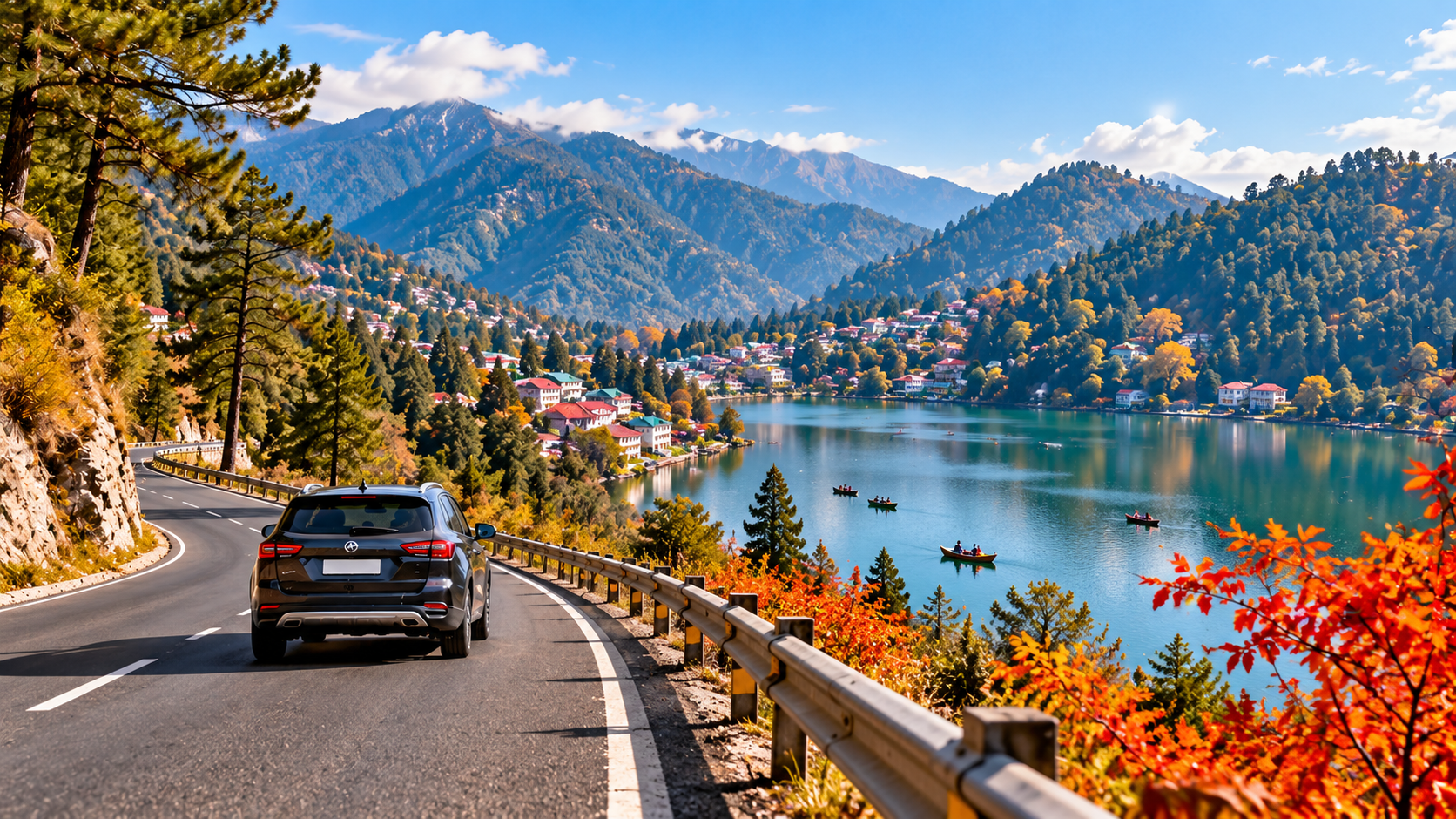
If you’re planning a road trip, the drive itself becomes one of the highlights of the journey. As the roads begin following the river and the mountains close in around you, the scenery becomes increasingly beautiful.
Many travellers from North India prefer private transportation for such long mountain journeys, making services like Premium Car Rental Services and Monthly Car Rental useful options for families and groups.
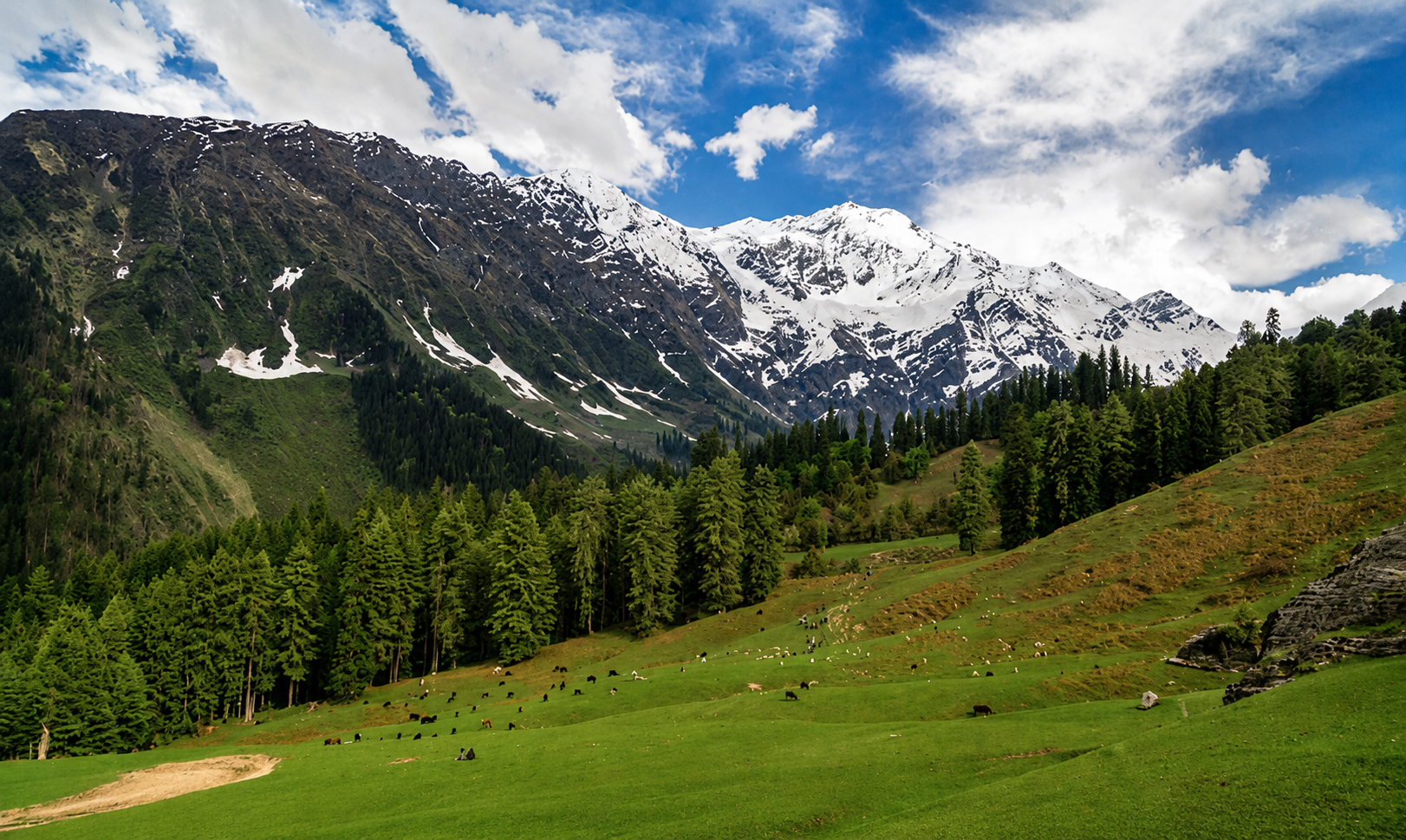
The Great Himalayan National Park is one of the biggest reasons travellers visit Tirthan Valley. Spread across more than 1,100 square kilometres, the park is home to hundreds of species of birds, animals, and plants.
Trekking routes inside the park range from short day hikes to multi-day expeditions. Nature lovers often describe this as the highlight of their trip.
The park is recognized as a UNESCO World Heritage Site and remains one of India’s most important biodiversity hotspots. Visitors can check official visitor information through Great Himalayan National Park Official Website.
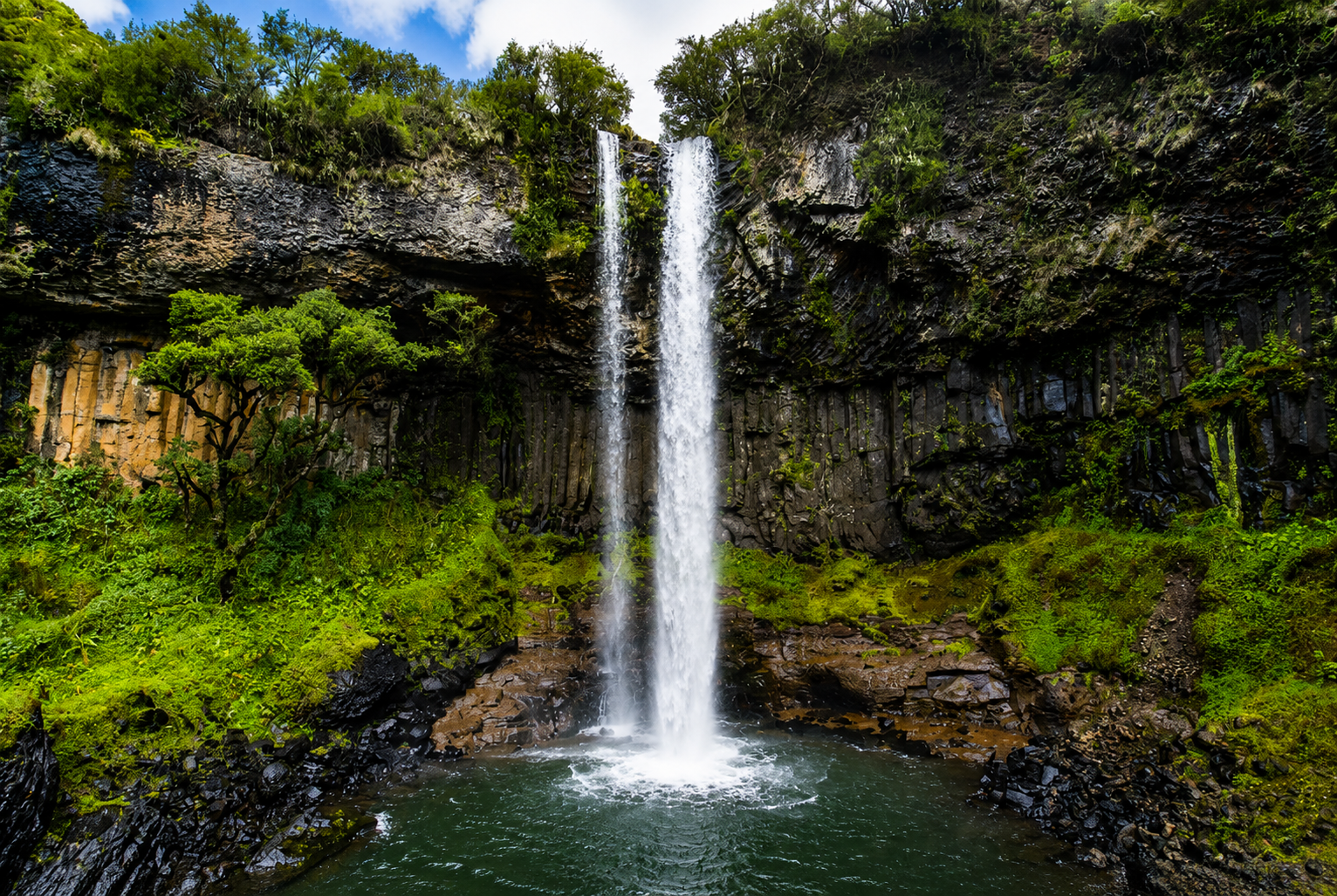
The trek to Chhoie Waterfall is short but rewarding. The trail passes through forests, small bridges, and traditional Himachali houses before reaching the waterfall hidden between rocks and trees.
The journey takes around 45 minutes to one hour depending on your pace. Early mornings are the best time to visit.
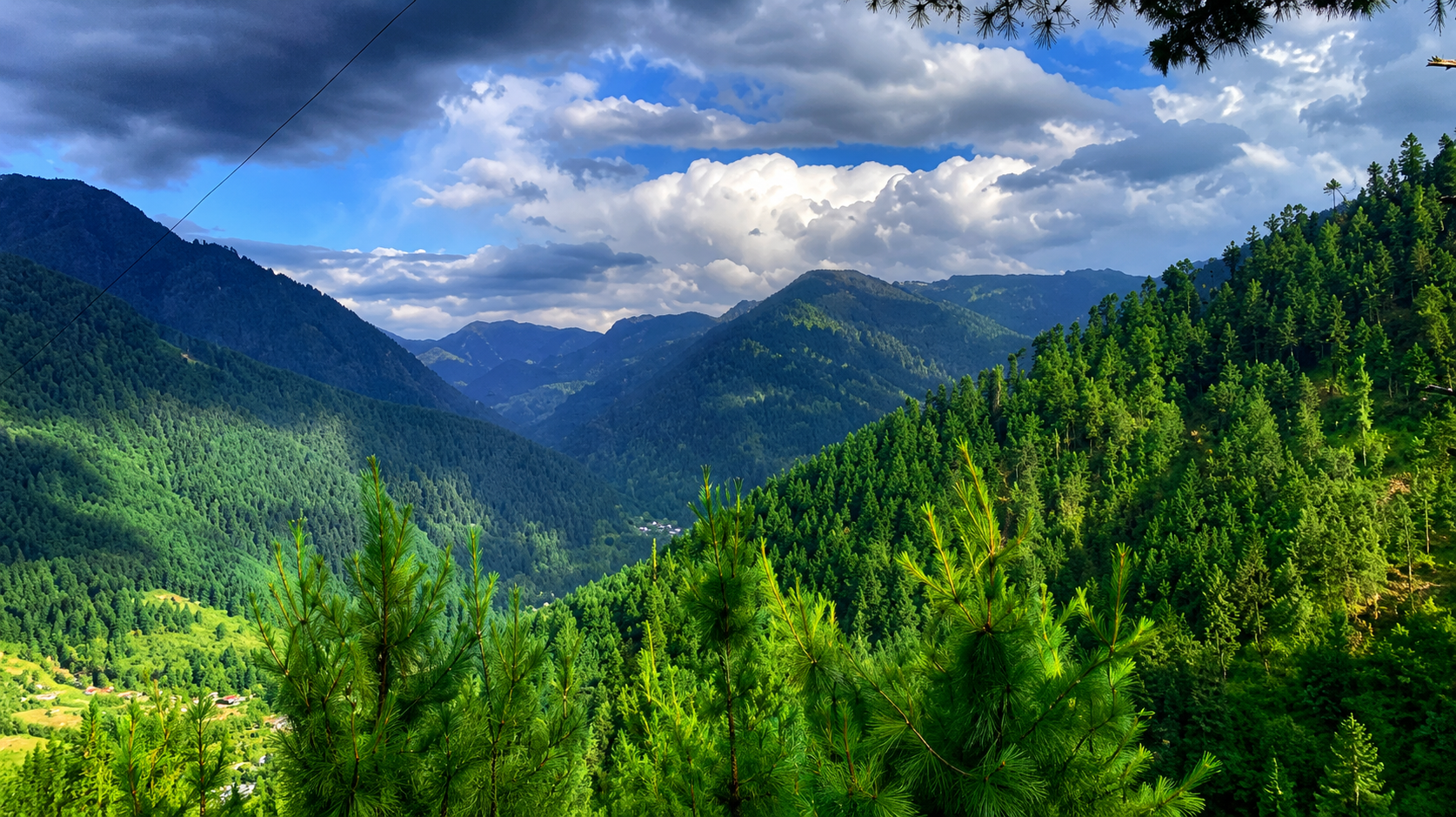
No Tirthan Valley trip is complete without visiting Jibhi. Located only a short drive away, Jibhi has become famous for its wooden cottages, riverside cafes, and peaceful atmosphere.
The village is popular among remote workers and long-term travellers looking for quiet mountain stays.
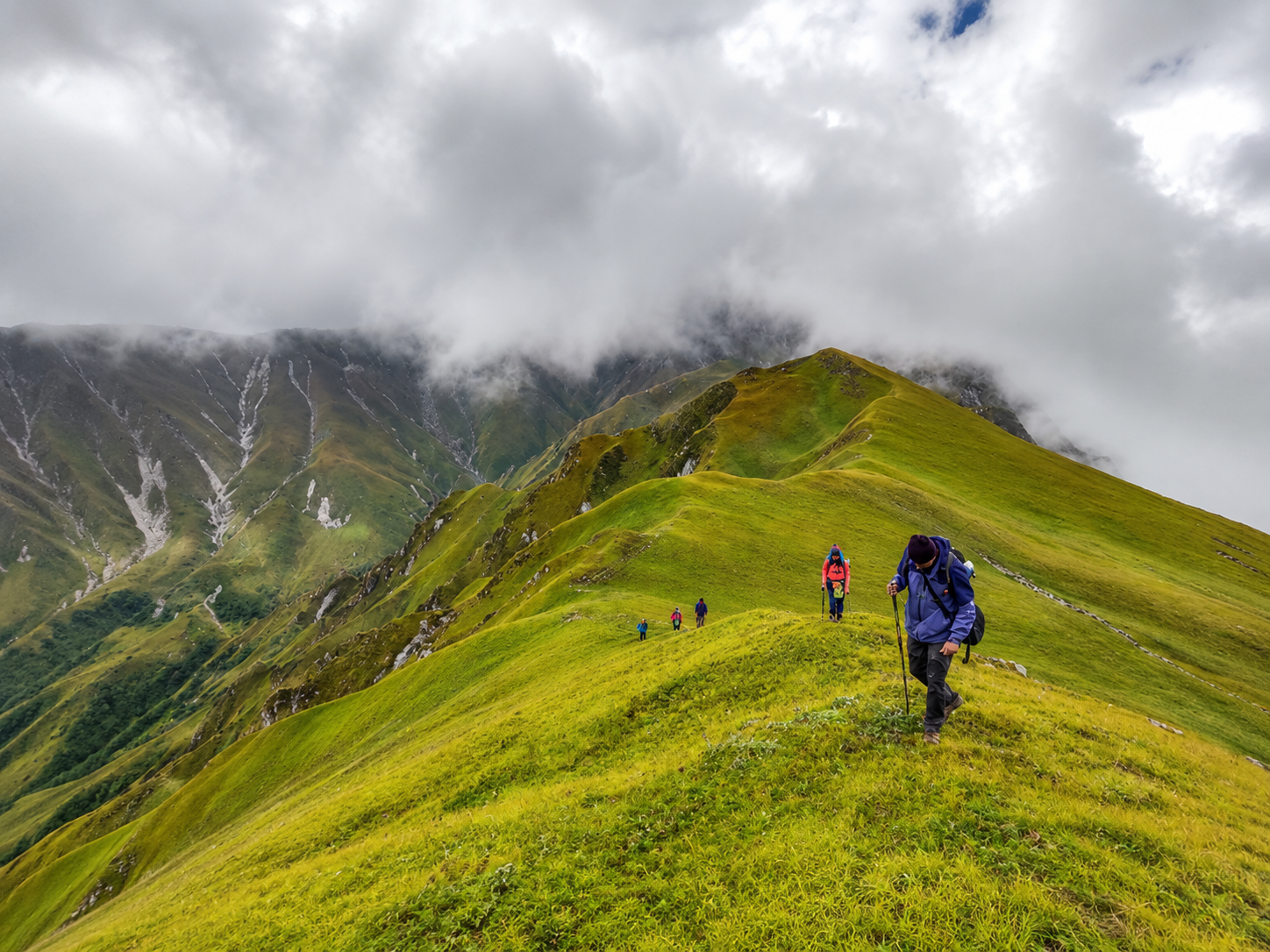
Located at an altitude of over 10,000 feet, Jalori Pass offers some of the best views in the region.
During winter, snowfall often transforms the pass into one of the most beautiful locations in Himachal Pradesh. Always check road status before travelling in winter.
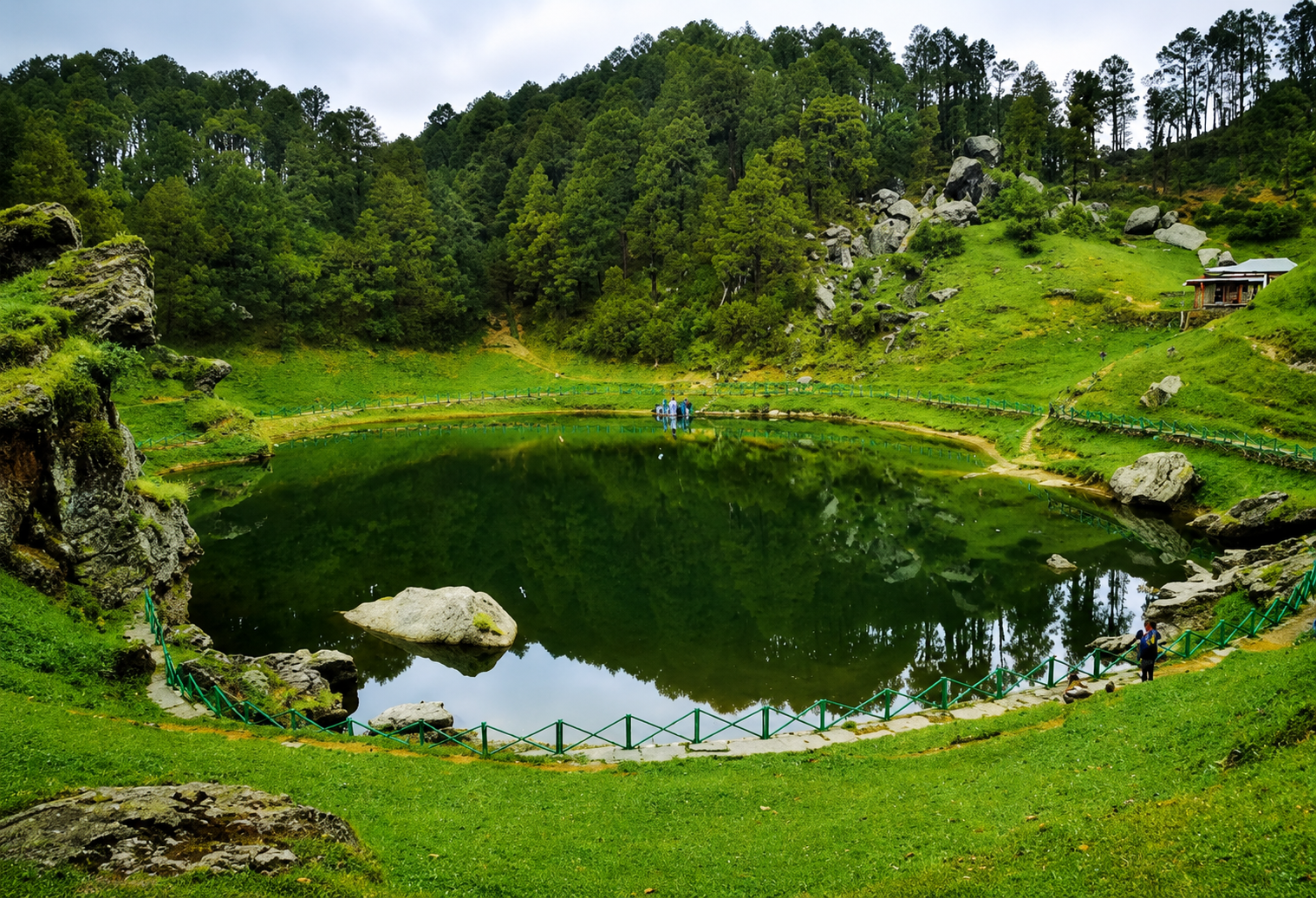
A short trek from Jalori Pass leads to Serolsar Lake. The route passes through thick forests and open meadows before reaching the lake surrounded by mountains.
The trek is suitable for beginners and usually takes around 1.5 to 2 hours each way.
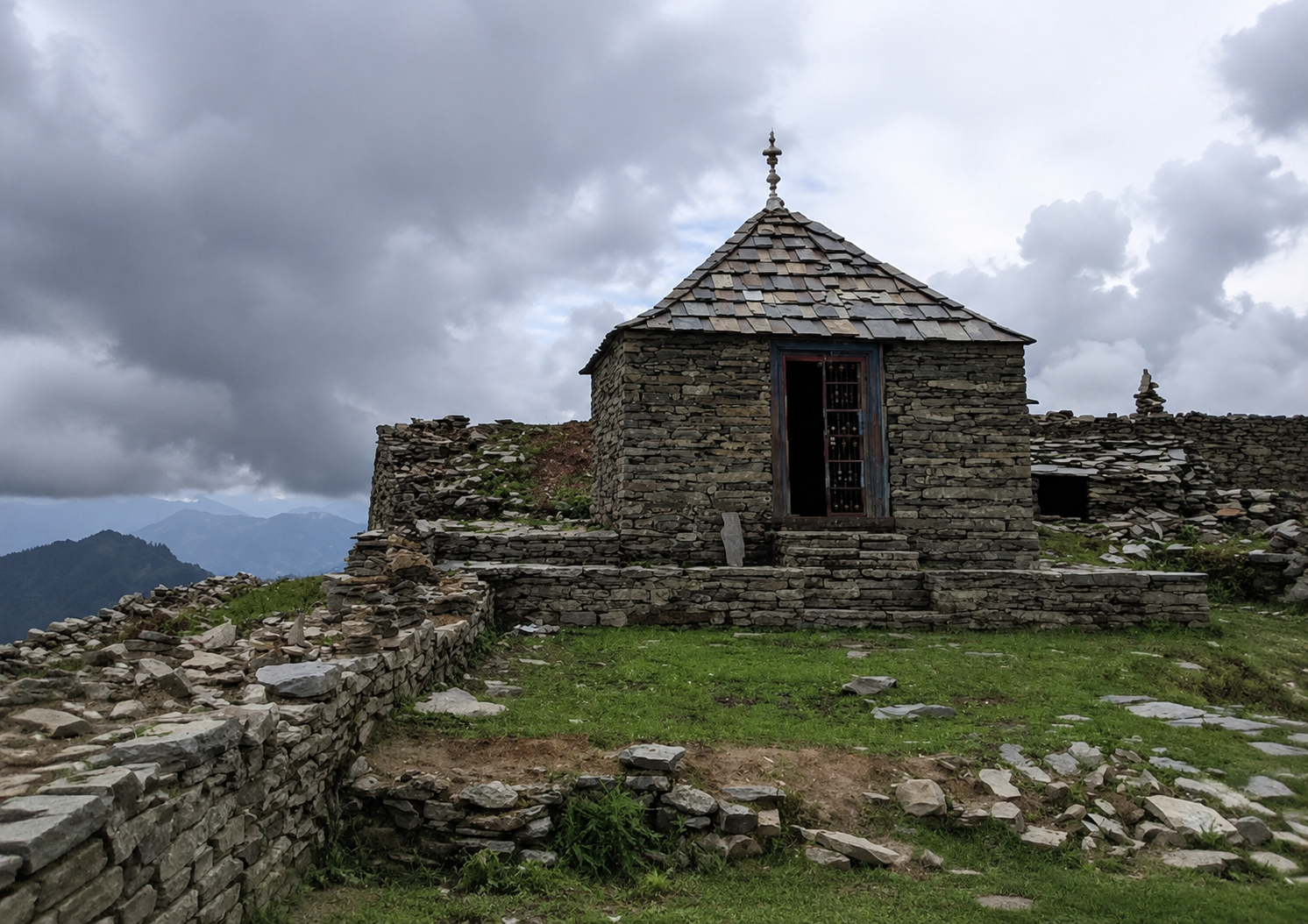
The ruins of Raghupur Fort offer panoramic views of the surrounding valleys and mountains.
Although little remains of the original structure, the grasslands around the fort are perfect for photography and picnics.
Gushaini is often considered the heart of Tirthan Valley. The village sits beside the river and serves as the starting point for many activities, including trekking and fishing.
If your idea of a perfect holiday includes reading beside a river or simply doing nothing for a few hours, Gushaini delivers exactly that experience.
Unlike cities where sightseeing dominates the itinerary, Tirthan Valley is more about experiences.
Many travellers spend their mornings walking beside the river and their evenings sitting around bonfires.
Popular activities include:
This slower pace is exactly what attracts people to the valley.
Accommodation options in Tirthan Valley range from budget homestays to premium riverside resorts.
₹1,000 – ₹2,000
Best for backpackers and budget travellers.
₹3,000 – ₹6,000
Often include mountain or river views.
₹8,000+
Suitable for premium riverside experiences.
One of the best things about Tirthan Valley is that it can fit different budgets.
While Tirthan Valley is not known for a specific cuisine in the way that some destinations are, local cafés and homestays serve excellent food.
Fresh trout fish is the region’s signature dish and is worth trying if you’re comfortable with non-vegetarian food.
Apart from that, traditional Himachali dishes and local cafés serving pizzas, pancakes, and coffee have become increasingly popular among travellers.
Many visitors are surprised by the quality of food available in such a remote location.
The biggest mistake people make is trying to cover Tirthan Valley in one day.
Unlike Manali or Shimla, the valley is not about rushing between attractions.
Another common mistake is not carrying warm clothes during summer months. Even in May and June, evenings can become surprisingly cold.
Travellers also underestimate travel times in the mountains and often plan unrealistic itineraries.
Keeping your schedule flexible usually leads to a much better experience.
The answer depends entirely on your travel style.
If you enjoy shopping streets, adventure activities, and nightlife, Manali remains the better option.
If you’re looking for peace, nature, riverside stays, and fewer crowds, Tirthan Valley wins comfortably.
Many travellers who visit Tirthan Valley for the first time eventually return because of the atmosphere rather than the attractions themselves.
Travellers looking for chauffeur-driven road trips can also explore options such as Car Rental Service in India and Rent a Car with Driver for comfortable intercity travel.
Arrive in Gushaini or Jibhi, check into your stay, explore the village, enjoy local cafés, and spend a peaceful evening beside the river listening to the sound of flowing water.
Visit the beautiful Jalori Pass, enjoy panoramic mountain views, and continue your trek to Serolsar Lake. Return to your accommodation by evening and relax after a rewarding day outdoors.
Explore the scenic Chhoie Waterfall and spend time in the surroundings of the Great Himalayan National Park before beginning your return journey.
Why This Itinerary Works:
This itinerary provides a balanced mix of sightseeing, trekking, local experiences, and relaxation, making it ideal for first-time visitors to Tirthan Valley.
Tirthan Valley is not the kind of destination that impresses you immediately with crowds or famous landmarks.
Instead, it slowly grows on you.
It is the sound of the river outside your room, the quiet mountain roads, the fresh air, and the feeling of being disconnected from everyday life that makes the valley special.
In a world where most tourist destinations are becoming increasingly commercial, Tirthan Valley still feels authentic.
Perhaps that is exactly why so many travellers are choosing it over larger hill stations.
If you’re looking for a mountain destination that values peace over popularity, Tirthan Valley deserves a place at the top of your list.
Three days are ideal for covering major attractions while still enjoying the relaxed atmosphere of the valley.
For travellers looking for peace, nature, and fewer crowds, Tirthan Valley is often preferred over Manali.
Yes. Nearby areas such as Jalori Pass receive snowfall during winter months.
Yes. The destination is ideal for families, couples, solo travellers, and workations.
No. Budget, mid-range, and luxury options are available for accommodation and travel.
Travel Tip:
Tirthan Valley remains one of Himachal Pradesh’s best-value destinations, offering beautiful scenery and peaceful surroundings without the crowds of more commercial hill stations.