Bastar Dussehra 2026: Dates, History & Rath Yatra
Bastar Dussehra is one of India’s most extraordinary festivals, celebrated for approximately 75 days in the Bastar region of Chhattisgarh. Unlike the Dussehra celebrations familiar to much of India, this festival does not involve burning an effigy of Ravana. Instead, it honors Maa Danteshwari, the region’s revered goddess, through ancient tribal rituals, sacred chariot processions, and community traditions.
The Bastar Dussehra 2026 festival began on 12 August and continues through October, with its major celebrations taking place in Jagdalpur.
What makes Bastar Dussehra particularly fascinating is its connection to the cultural identity of Bastar. For centuries, communities from surrounding villages have gathered to participate in rituals that bring together faith, craftsmanship, music, and local heritage.
If you are curious about the history, dates, famous Rath Yatra, and travel arrangements for Bastar Dussehra 2026, this guide explains everything you need to know.
What Is Bastar Dussehra, and Why Is It Unique?
Bastar Dussehra is a traditional religious and cultural festival celebrated in the Bastar district of Chhattisgarh.
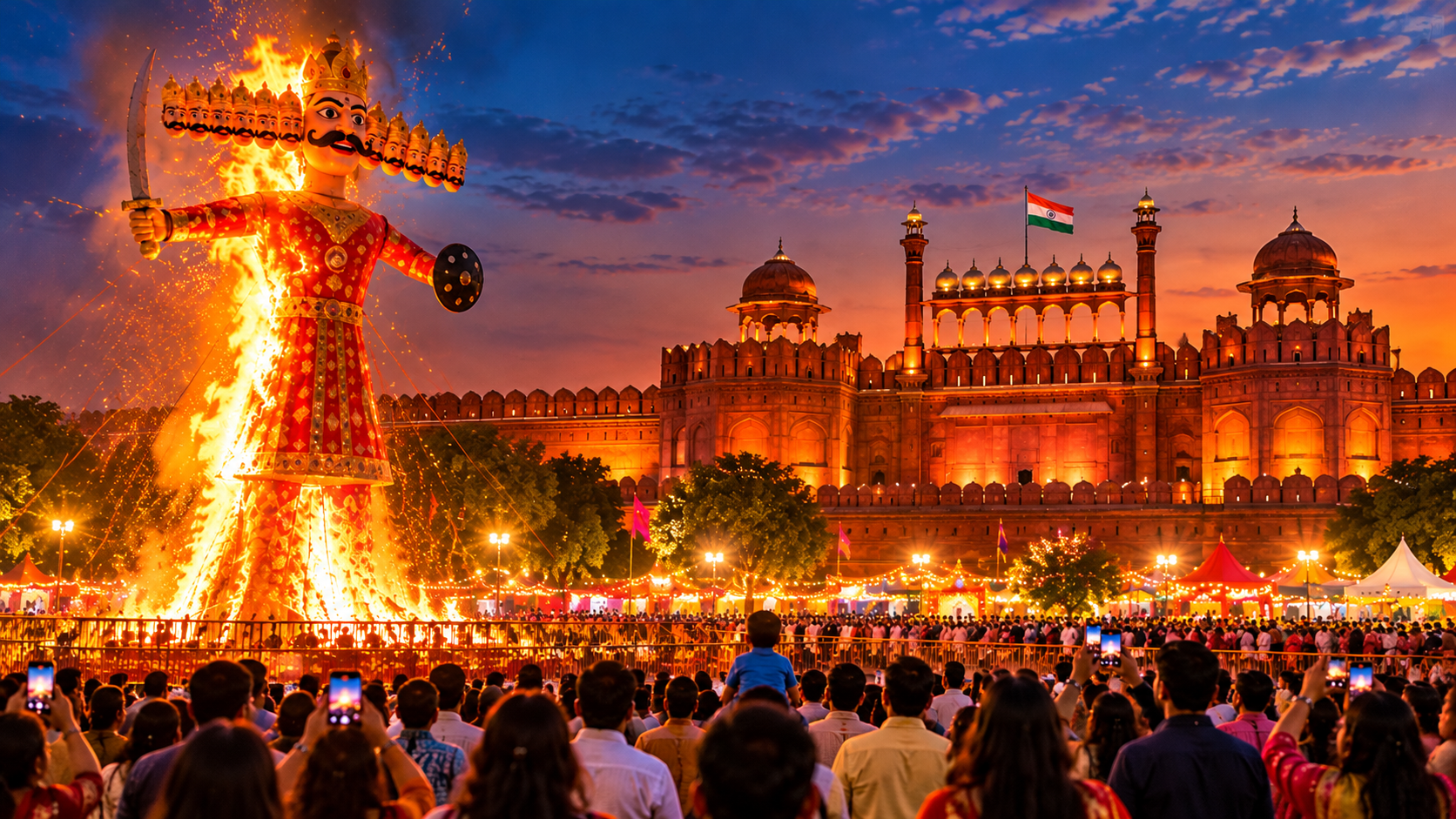
While Dussehra in many parts of India commemorates Lord Rama’s victory over Ravana, Bastar Dussehra follows a different tradition. Its celebrations center on Maa Danteshwari and other regional deities.
The festival is especially known for three features:
- It lasts approximately 75 days.
- It brings together tribal communities and their local deities.
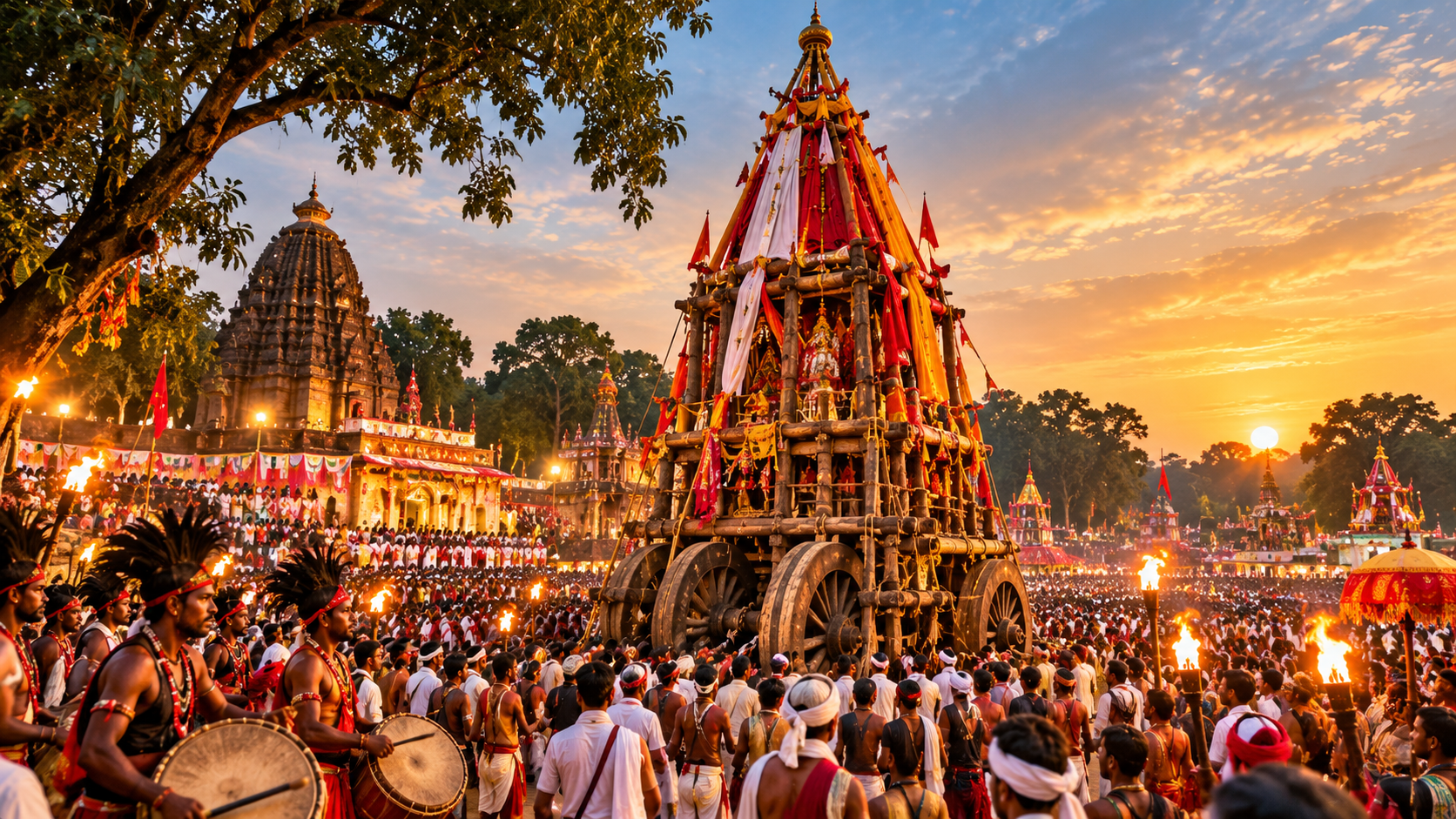
- It features enormous wooden chariots pulled through Jagdalpur by participants.
The absence of Ravana Dahan is perhaps the most surprising aspect for visitors.
Rather than recreating a battle from the Ramayana, the Bastar Dussehra festival expresses devotion through ceremonies that have been preserved across generations.
Bastar Dussehra 2026 Dates and Festival Schedule
The Bastar Dussehra 2026 celebrations began on 12 August with the Paat Jatra ritual.
The major festival activities take place during October, when Jagdalpur becomes the centre of elaborate ceremonies and processions.
Here is an overview of important dates:
| Date |
Festival event |
| 12 August 2026 |
Paat Jatra and the beginning of celebrations |
| 10 October 2026 |
Kachan Gadi Puja |
| 11–12 October 2026 |
Kalash Sthapana and Jogi Bithai rituals |
| 13–18 October 2026 |
Rath Parikrama ceremonies |
| 19 October 2026 |
Nisha Jatra and associated ceremonies |
| 20 October 2026 |
Vijayadashami and other major rituals |
| 21 October 2026 |
Bhitar Raini in the detailed local program |
| 22 October 2026 |
Bahar Raini in the detailed local program |
| 23 October 2026 |
Muria Darbar in the detailed local program |
| 24 October 2026 |
Kutumb Jatra |
| 27 October 2026 |
Final farewell ceremonies |
Important: Published schedules differ on some October rituals. The national Incredible India listing places Bhitar Raini on 20 October, while a detailed locally reported program places it on 21 October. Visitors should confirm the latest procession schedule with local organizers before traveling.
History of Bastar Dussehra: A 600-Year-Old Tradition
The history of Bastar Dussehra is commonly traced to the 15th century and the royal traditions of Bastar.
According to regional accounts, King Purushottam Dev played an important role in developing the festival’s famous chariot tradition.
Local historical narratives connect the king with a pilgrimage to Jagannath Puri, where he is said to have received the title of Rathpati.
The chariot tradition subsequently became an important part of Bastar’s annual religious celebrations.
Over time, Bastar Dussehra developed into a festival that brought together royal customs, tribal traditions, and worship of regional deities.
Today, the celebration continues to reflect the relationship between Bastar’s historical institutions and its communities.
The remarkable feature of Bastar Dussehra history is that its identity has remained distinct from the better-known Rama–Ravana celebrations elsewhere in India.
Why Is Ravana Not Burnt During Bastar Dussehra?
One of the most frequently asked questions about Bastar Dussehra is why the festival does not include Ravana Dahan.
The answer lies in its religious origins.
Bastar Dussehra is primarily dedicated to Maa Danteshwari and the traditional deity worship of the Bastar region.
The festival’s rituals focus on receiving blessings, honoring local gods and goddesses, and maintaining longstanding community customs.
Therefore, burning Ravana’s effigy is not part of the traditional celebration.
This difference makes Bastar Dussehra an important example of how the same festival name can represent different cultural traditions across India.
It also reminds visitors that Indian festivals often have regional meanings extending beyond a single widely known story.
Bastar Dussehra Rath Yatra: The Festival’s Biggest Attraction
The Bastar Dussehra Rath Yatra is among the most visually impressive parts of the celebration.
Large wooden chariots are constructed and decorated according to established traditions. They are then pulled through designated streets of Jagdalpur.
The procession involves considerable preparation, with different communities participating in the construction, organization, and movement of the chariots.
For visitors, the Bastar Dussehra rath procession offers an opportunity to witness an extraordinary display of collective participation.
How Is the Bastar Dussehra Rath Prepared?
The process begins well before the main October festivities.
Wood is brought and worshipped during the Paat Jatra ritual, which marks the ceremonial beginning of chariot-related preparations.
Skilled craftspeople and participating communities then contribute to the construction of the large wooden structures.
The process is not simply a practical task. It is an essential part of the festival’s religious and cultural identity.
What Are Bhitar Raini and Bahar Raini?
Bhitar Raini and Bahar Raini are major chariot-related rituals of Bastar Dussehra.
Bhitar Raini is associated with an important procession along the inner ceremonial route.
Bahar Raini is connected with the chariot’s movement outside that route and traditions involving the surrounding communities.
These events attract considerable public interest because of the scale of the chariot and the participation of devotees.
Visitors should verify the confirmed 2026 dates and timings locally, as published schedules differ.
Major Rituals of the Bastar Dussehra Festival
The Bastar Dussehra festival is much more than its famous Rath Yatra.
Its extended duration allows several distinctive rituals to take place.
1. Paat Jatra: The Beginning of Bastar Dussehra
Paat Jatra marks the ceremonial start of Bastar Dussehra.
A wooden log associated with the construction of the sacred chariot is worshipped, symbolizing the importance of forests, traditional resources, and religious customs.
The ritual establishes the foundation for the celebrations that follow.
2. Kachan Gadi: Seeking Divine Permission
Kachan Gadi is an important traditional ceremony associated with seeking the blessings and permission of Kachan Devi.
The ritual reflects the relationship between Bastar’s local deities and its festival traditions.
It is one of the ceremonies that distinguishes Bastar Dussehra from celebrations in other Indian states.
3. Jogi Bithai: A Ritual of Devotion
Jogi Bithai involves a designated participant undertaking a period of intense religious observance.
The practice is traditionally associated with prayers for the successful and peaceful completion of the festival.
It highlights the discipline and spiritual significance attached to Bastar Dussehra.
4. Nisha Jatra: The Night Procession
Nisha Jatra is a significant nighttime ceremony.
The ritual atmosphere, traditional practices, and gathering of participants make it an important part of the festival’s cultural heritage.
Visitors should observe respectfully and follow instructions from local organizers.
5. Muria Darbar: A Traditional Community Assembly
Muria Darbar is another distinctive feature of Bastar Dussehra.
Historically, it provided a forum in which community representatives could interact with the Bastar royal institution and raise matters affecting their communities.
Its continued association with the festival illustrates the social importance of Bastar Dussehra beyond religious worship.
Maa Danteshwari and the Religious Significance of Bastar Dussehra
Maa Danteshwari occupies a central position in Bastar’s religious traditions.
She is regarded as the presiding deity of the region, and devotion to her shapes the festival’s major ceremonies.
The famous Danteshwari Temple at Dantewada is an important pilgrimage destination associated with the goddess.
During Bastar Dussehra, the traditions surrounding Maa Danteshwari and other local deities become a shared expression of faith across the region.
For visitors interested in religious heritage, understanding this connection makes the festival more meaningful.
Rather than viewing Bastar Dussehra only as a colorful public celebration, travelers can appreciate its deeper relationship with the beliefs of local communities.
Where Is Bastar Dussehra Celebrated?
The main celebrations take place in Jagdalpur, a major city in the Bastar region of Chhattisgarh.
Jagdalpur serves as the center for important rituals, processions, and gatherings.
The city is also a convenient starting point for exploring several attractions in the surrounding region.
During the main festival days, popular areas around ceremonial routes may become crowded.
Visitors planning to attend Bastar Dussehra should therefore allow additional travel time and avoid assuming that normal traffic arrangements will remain unchanged.
How to Reach Jagdalpur for Bastar Dussehra 2026
Travellers can reach Jagdalpur by air, rail, or road, depending on their starting location and available services.
By Air
Jagdalpur has Maa Danteshwari Airport, but flight availability and routes should be checked before booking.
Raipur is another option for travellers planning an onward journey by road.
By Train
Jagdalpur has a railway station with regional connections.
Travellers should check Indian Railways for current routes, availability and arrival timings.
By Road
Jagdalpur is accessible by road from Raipur and other locations in Chhattisgarh.
Travellers choosing a road journey should consider journey duration, road conditions and possible festival-related diversions.
For families and groups, a pre-arranged vehicle can make local sightseeing and luggage management more convenient.
Places to Visit Near Jagdalpur During Bastar Dussehra
Visitors travelling for Bastar Dussehra may also wish to explore the natural and cultural attractions of the region.
Chitrakote Waterfalls
Chitrakote Waterfalls is one of Bastar’s best-known natural attractions.
Its broad waterfall landscape makes it a popular stop for travellers exploring the region.
Water flow and viewing conditions vary by season.
Tirathgarh Waterfalls
Tirathgarh Waterfalls is another notable destination in the Bastar region.
Visitors can enjoy the surrounding scenery while following local safety guidance near the waterfall.
Kanger Valley National Park
Kanger Valley National Park is known for its forests, biodiversity and natural landscapes.
Entry rules, permitted activities and visiting conditions should be confirmed through official channels.
Danteshwari Temple
Danteshwari Temple in Dantewada is particularly significant for travellers interested in understanding the religious traditions associated with Bastar Dussehra.
A visit can provide additional cultural context for the festival.
Travel Tips for Attending Bastar Dussehra
If you are planning to visit the festival, a little preparation can improve your experience.
- Confirm festival dates: Check locally before travelling for a particular Rath Yatra or ritual.
- Book accommodation early: Rooms may be in greater demand during major celebration days.
- Allow extra travel time: Processions and crowds can affect movement through Jagdalpur.
- Respect local traditions: Some ceremonies are religious observances rather than tourist performances.
- Ask before taking photographs: Photography may be restricted or inappropriate during certain rituals.
- Carry essentials: Keep water, comfortable footwear and any personal medication with you.
- Plan sightseeing separately: Avoid packing too many destinations into a day with major festival events.
Most importantly, approach Bastar Dussehra with curiosity and respect for the communities that preserve its traditions.
Why Bastar Dussehra Deserves a Place on Your Travel List
Bastar Dussehra offers something different from the usual image of Dussehra celebrations.
There are no towering Ravana effigies waiting to be burnt. Instead, visitors encounter sacred chariots, traditional ceremonies, village deities and centuries-old customs.
Its 75-day duration makes the festival especially remarkable, but its real significance lies in the communities that sustain it.
For travellers interested in cultural tourism, Bastar Dussehra provides an opportunity to discover a lesser-known side of India’s festival heritage.
Frequently Asked Questions About Bastar Dussehra
When is Bastar Dussehra 2026 celebrated?
Bastar Dussehra 2026 began on 12 August. Its major ceremonies take place in October, with final farewell rituals scheduled toward the end of the month.
Why is Bastar Dussehra celebrated for 75 days?
The festival includes a long sequence of religious rituals, chariot preparations, deity processions and traditional community gatherings. These ceremonies collectively extend over approximately 75 days.
Is Ravana burnt during Bastar Dussehra?
No. Bastar Dussehra is centred on Maa Danteshwari and regional deity traditions rather than the burning of Ravana’s effigy.
Where is the Bastar Dussehra festival celebrated?
The main celebrations are held in Jagdalpur, in the Bastar region of Chhattisgarh.
What is the Bastar Dussehra Rath Yatra?
It is a traditional procession in which large sacred wooden chariots are pulled through Jagdalpur as part of the festival’s religious ceremonies.
Which is the best time to visit Bastar Dussehra?
The major October ceremonies are especially popular with visitors. Check the latest local schedule to select the dates that match the rituals you want to experience.
Bastar Dussehra is a remarkable celebration of faith, tribal culture and living heritage.
From its 600-year-old traditions and approximately 75-day duration to its famous Rath Yatra and devotion to Maa Danteshwari, the festival stands apart from conventional Dussehra celebrations.
For travellers exploring the cultural diversity of India, Bastar Dussehra 2026 offers a meaningful opportunity to experience traditions that remain deeply connected to the communities of Chhattisgarh.
Plan your visit carefully, verify local schedules and make time to discover the extraordinary heritage of Bastar.