Quick Answer: Is Mumbai in Monsoon Worth Visiting?
Yes, absolutely. Mumbai in Monsoon offers one of India’s most unique urban travel experiences. The city becomes greener, temperatures become more pleasant, sea views become dramatic, and iconic locations such as Marine Drive and Bandra Bandstand feel completely different compared to the rest of the year.
Travellers exploring Mumbai in monsoon often combine their trip with our guide on the Best Places to Visit in Mumbai, which covers the city’s major attractions throughout the year.
At the same time, monsoon in Mumbai also brings challenges such as traffic congestion, waterlogging, local train delays, and unpredictable weather conditions. Travellers who plan carefully and understand the city’s rhythm during the rainy season often find Mumbai during monsoon more memorable than visiting during winter or summer.
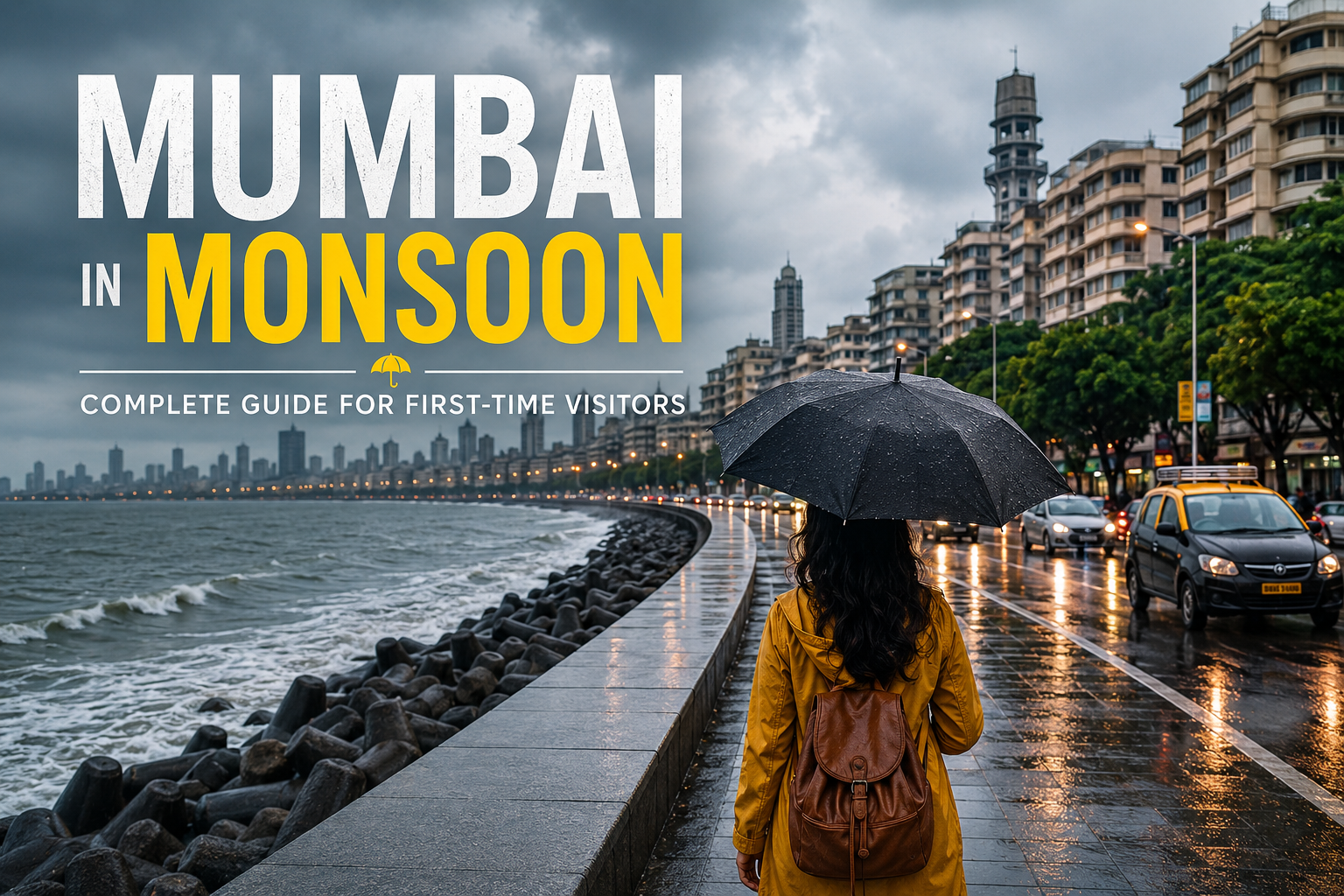
Why Mumbai and Monsoon Have Always Been Connected
Every destination has a season that defines its identity.
For Kashmir, it is winter snowfall.
For Rajasthan, it is pleasant winter mornings.
For Ladakh, it is summer.
For Mumbai, it has always been the monsoon.
Rain changes the city in ways that are difficult to explain until you experience it yourself.
The Arabian Sea becomes more powerful, the skyline looks dramatic under dark clouds, roadside cafés become more inviting, and the entire city begins moving to a slightly different rhythm.
Unlike many destinations where rainfall slows tourism down, Mumbai continues functioning almost exactly as it always does.
Offices remain open, restaurants stay busy, local trains continue operating, and people continue gathering along the city’s famous sea-facing promenades.
This relationship between the city and rain is one of the biggest reasons why Mumbai in Monsoon has become a travel experience rather than simply a season.
Understanding Mumbai Weather During Monsoon
The monsoon season in Mumbai generally arrives during the first or second week of June and continues until the end of September.
June usually marks the arrival of the first major showers and relief from the intense summer heat. July is typically the wettest month of the year and often brings the dramatic rainfall scenes that Mumbai is famous for. August continues with regular showers and cloudy skies, while September gradually marks the transition toward clearer weather.
Average temperatures remain between 24°C and 31°C throughout the season, making outdoor activities considerably more comfortable than during peak summer months.
One important thing to understand about Mumbai in Monsoon is unpredictability. A bright sunny morning can quickly turn into heavy rainfall before becoming sunny again a few hours later.
Travellers should therefore keep flexible plans and avoid tightly packed itineraries.
Is Mumbai in monsoon worth visiting?
The answer largely depends on your travel style.
If you enjoy dramatic landscapes, photography, sea views, cooler temperatures, and experiencing cities in their most authentic form, Mumbai during monsoon can be incredibly rewarding.
However, travellers who prefer predictable schedules, uninterrupted sightseeing, and perfectly clear weather may find the rainy season slightly challenging.
✔ Mumbai in Monsoon is Ideal For
- Sea views and coastal experiences
- Street food and café culture
- Photography opportunities
- Weekend road trips
- Pleasant temperatures
- Local experiences rather than traditional sightseeing
⚠ You May Find Monsoon Challenging If You Dislike
- Traffic congestion
- Sudden weather changes
- Wet outdoor activities
- Occasional transportation delays
For most visitors, however, the positives far outweigh the challenges.
Best Places to Experience Mumbai in Monsoon
Marine Drive
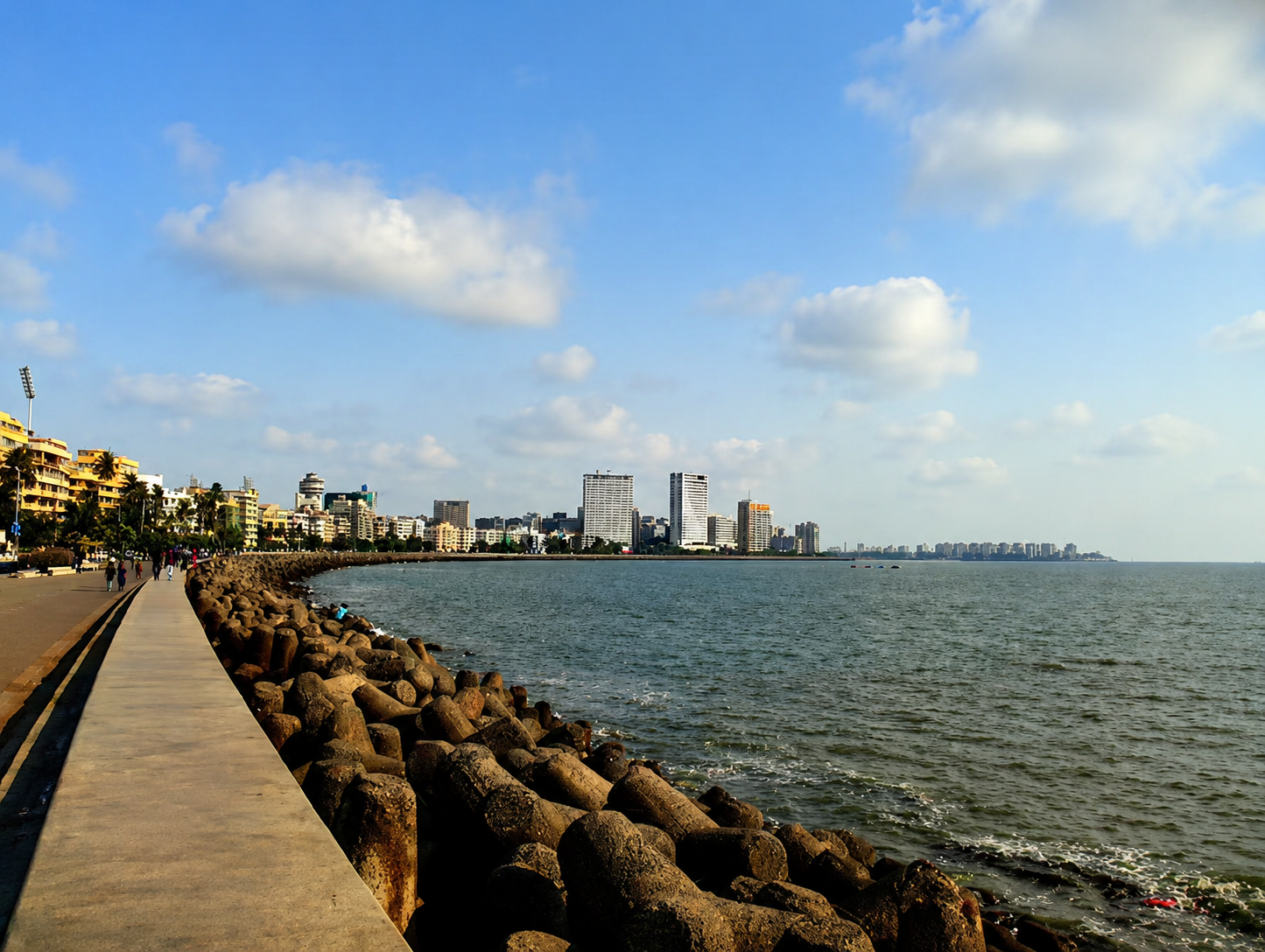
No place represents Mumbai in Monsoon better than Marine Drive.
Watching waves crash against the promenade while dark clouds move across the skyline creates one of Mumbai’s most iconic experiences.
The atmosphere during evenings feels entirely different compared to the rest of the year. The sea becomes louder, the air becomes cooler, and the famous Queen’s Necklace takes on a completely different personality.
For photographers, this is often one of the best times to visit because dramatic monsoon skies create unforgettable frames.
Visitors should always respect safety barriers and avoid restricted areas during high tide warnings issued by local authorities.
Perfect For: Photography, Sea Views, Evening Walks
Gateway of India
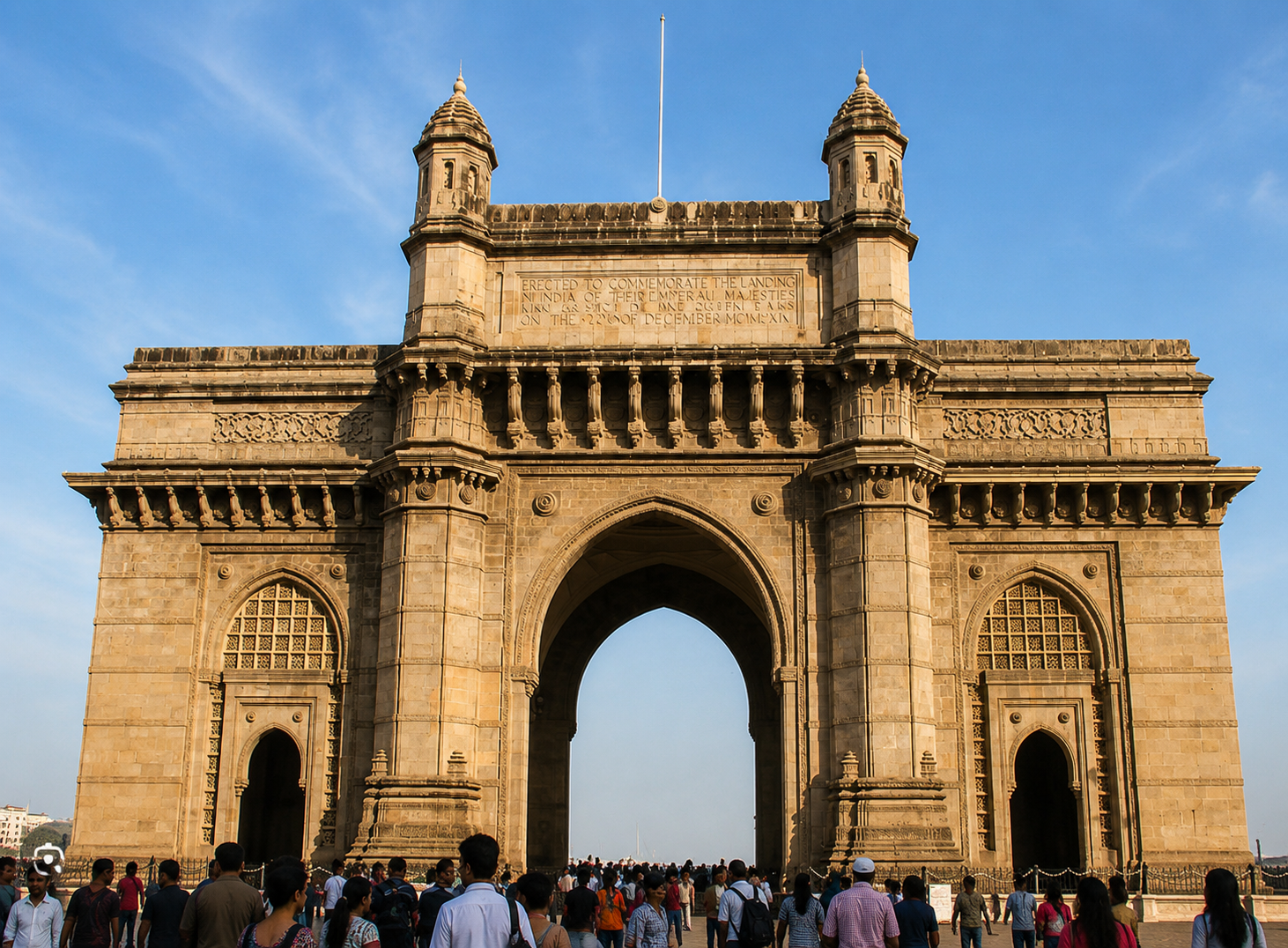
The Gateway of India feels particularly beautiful during monsoon.
Cloudy skies create softer lighting conditions while cooler temperatures make sightseeing considerably more comfortable compared to the summer season.
The surrounding area feels more pleasant to explore, especially during mornings and late afternoons.
Many photographers actually prefer visiting the Gateway during rainy weather because dramatic skies create far more impressive images than clear summer afternoons.
The combination of heritage architecture and monsoon clouds creates a classic Mumbai postcard scene.
Perfect For: Heritage Photography, Sightseeing, Monsoon Walks
Bandra Bandstand
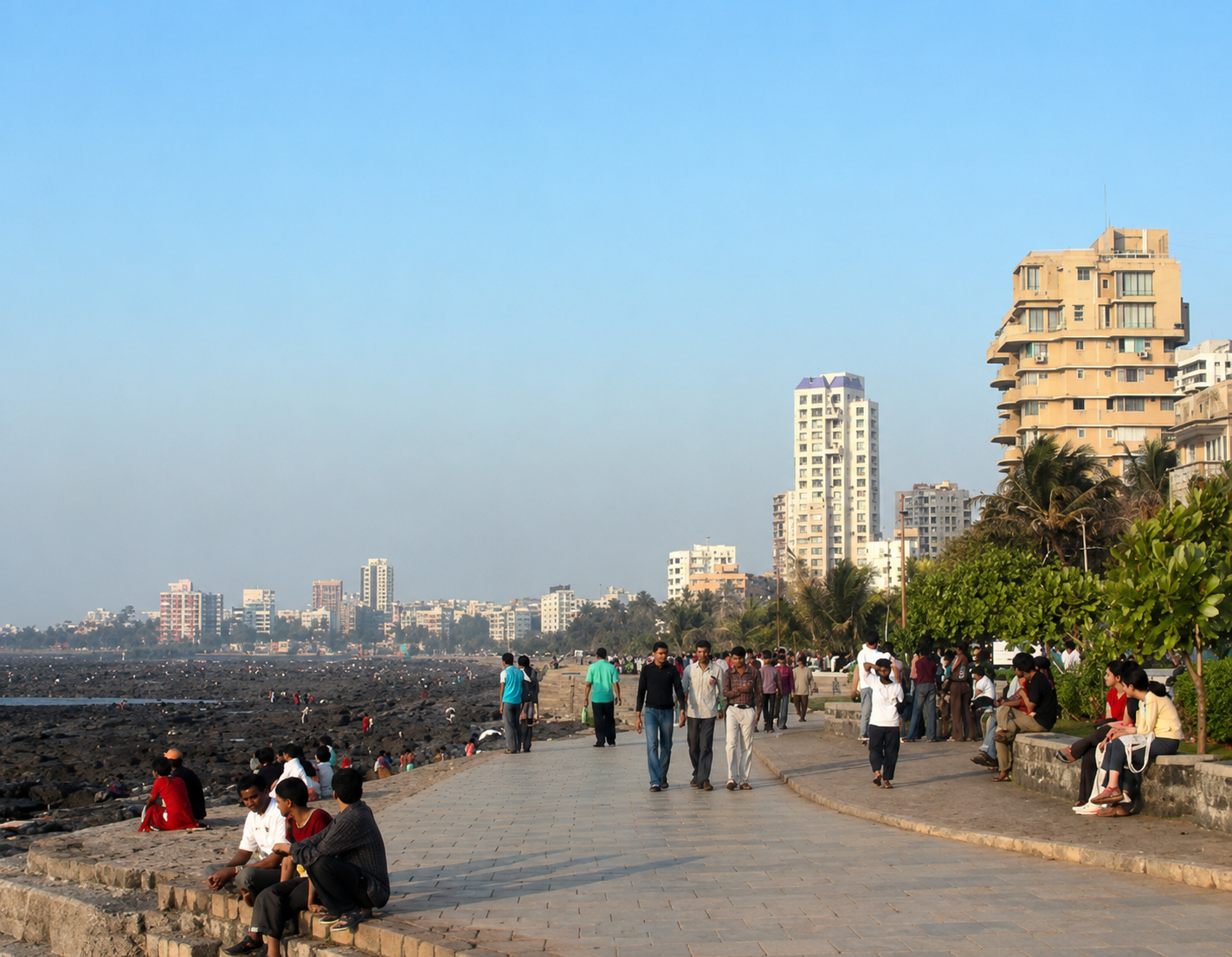
Bandra Bandstand becomes one of the most popular places in Mumbai during rainfall.
The Arabian Sea looks more powerful, temperatures remain comfortable, and the promenade attracts both locals and tourists throughout the season.
The combination of sea breeze, monsoon clouds, and crashing waves creates an atmosphere that feels uniquely Mumbai.
The area around Bandstand is also popular for cafés and evening walks after the rain slows down.
The atmosphere here perfectly captures what people mean when they talk about the magic of Mumbai monsoon.
Perfect For: Sea Views, Couples, Evening Outings
Worli Sea Face
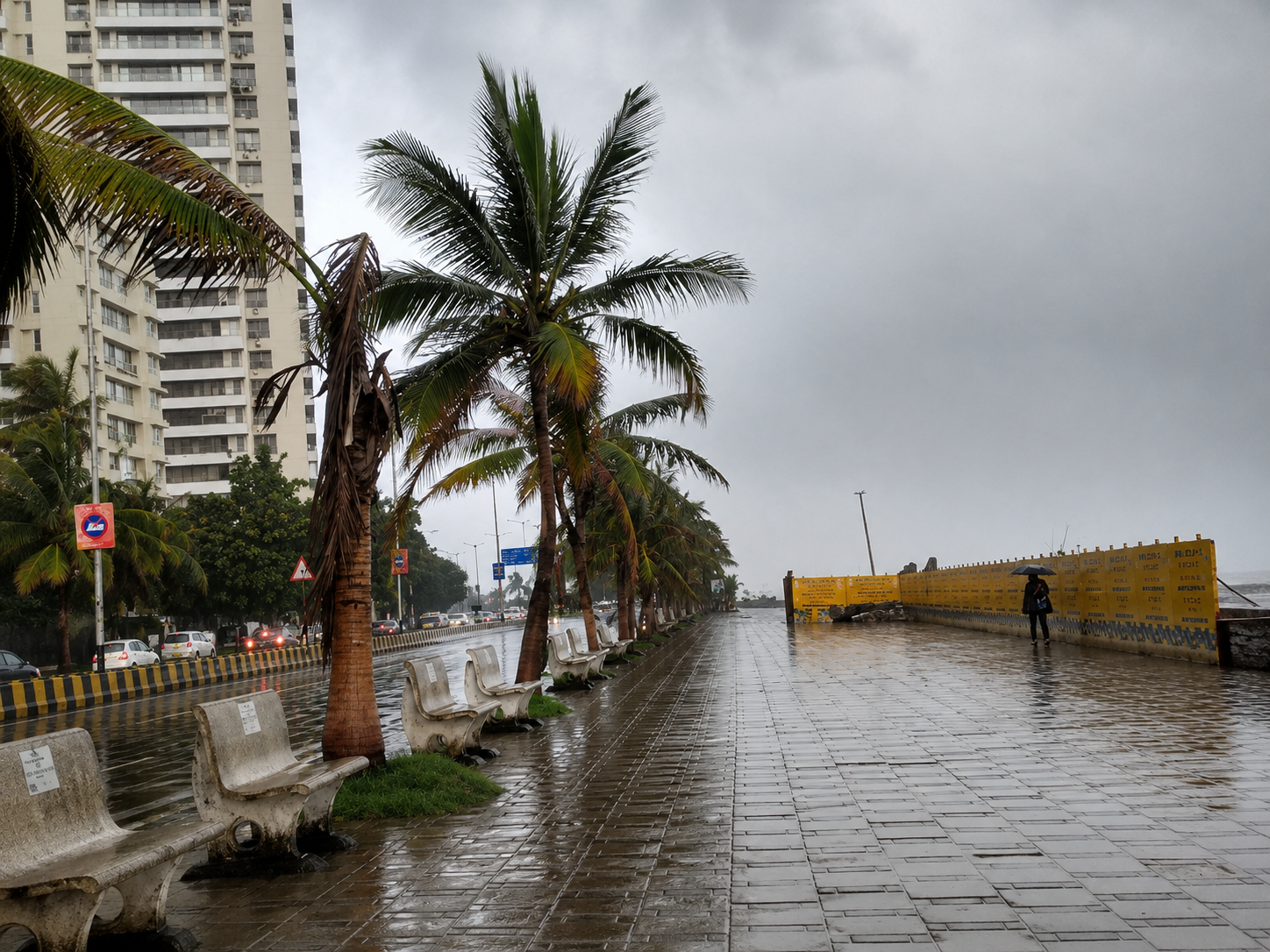
Few experiences match sitting at Worli Sea Face while watching monsoon waves hit the rocks below.
This remains one of the reasons why many Mumbai residents genuinely wait for the arrival of rain every year.
The experience itself is simple — sea breeze, grey skies, and the sound of waves crashing against the shoreline.
Yet somehow, it becomes one of the city’s most memorable monsoon experiences.
For many locals, this is where Mumbai feels most alive during the rainy season.
Perfect For: Relaxation, Photography, Monsoon Experience
Sanjay Gandhi National Park
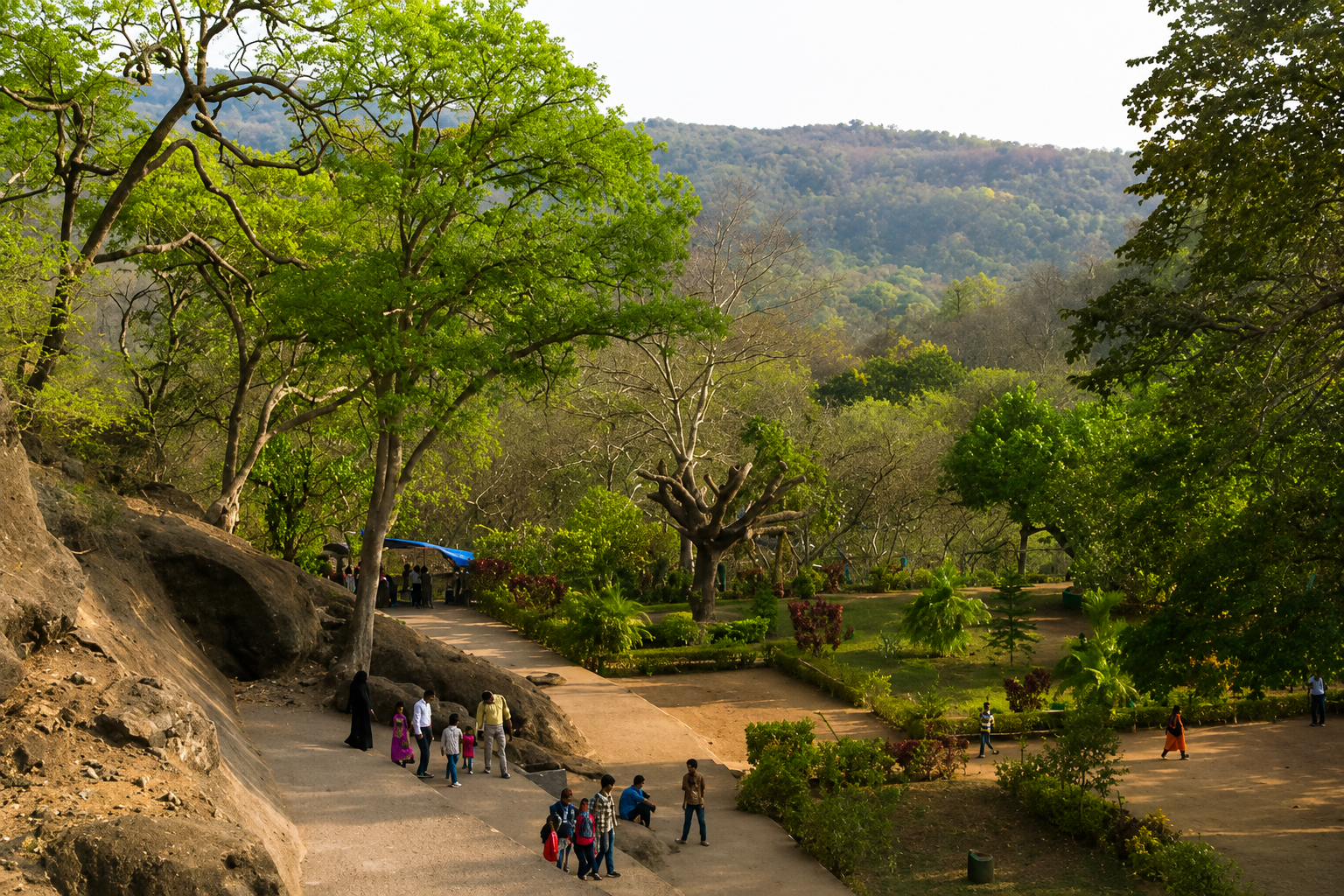
Many first-time visitors are surprised by how green Mumbai becomes during monsoon.
Sanjay Gandhi National Park transforms completely during the rainy season.
The forests become greener, waterfalls begin flowing, and the environment feels closer to a hill station than a metropolitan city.
Walking trails become more scenic and the entire landscape feels refreshed after rainfall.
For nature lovers, this becomes one of the most rewarding experiences in Mumbai during monsoon.
Perfect For: Nature Lovers, Families, Wildlife Enthusiasts
Powai Lake
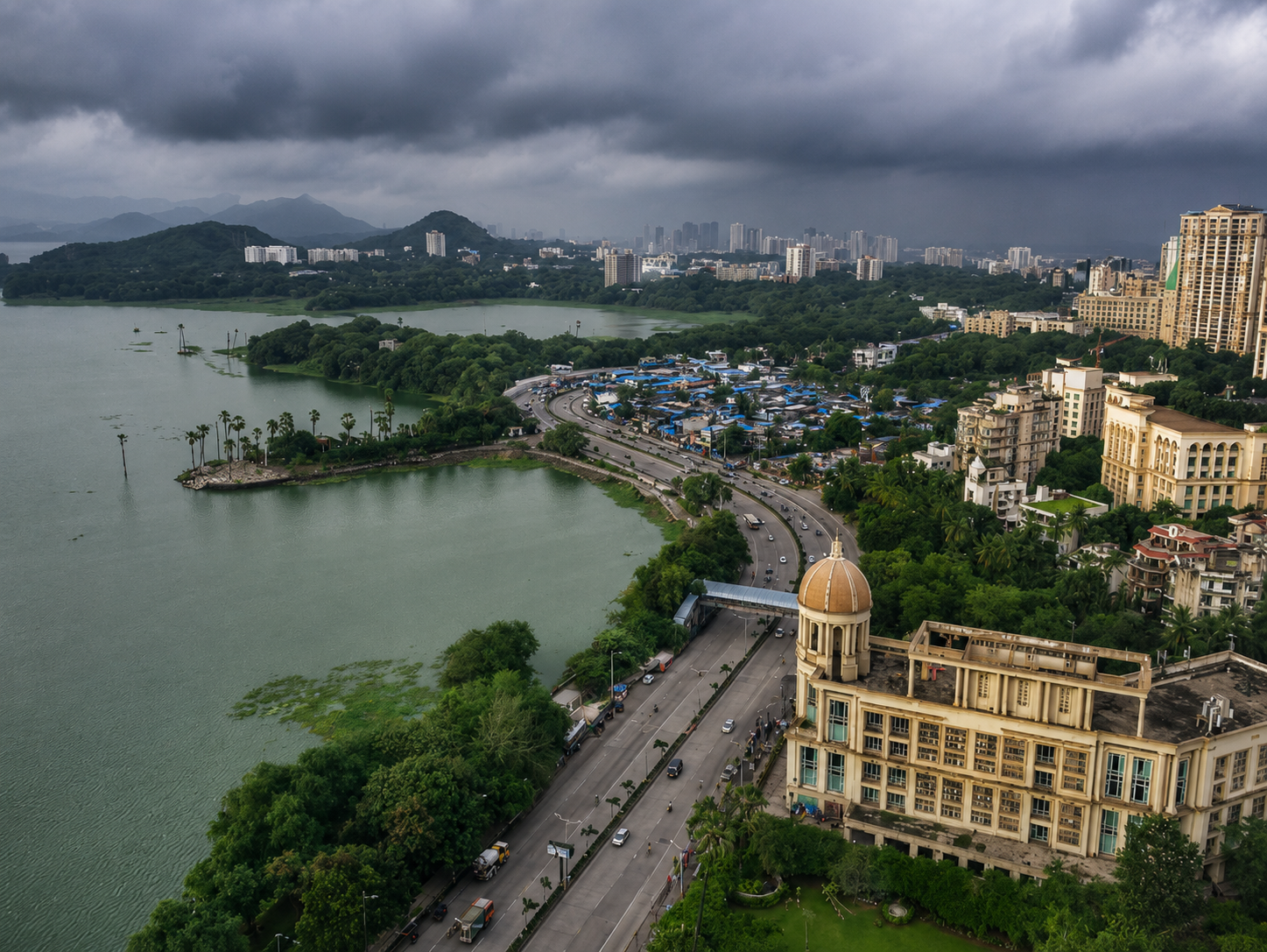
Powai Lake becomes particularly beautiful during rainy weather.
The surrounding greenery, cooler temperatures, and mist-covered skyline make it one of the most peaceful locations in Mumbai during monsoon.
Unlike some of the city’s busier attractions, Powai offers a calmer and more relaxed atmosphere.
Early mornings and evenings are usually the best times to visit when the weather feels freshest and the views become even more impressive.
For travellers looking to experience a quieter side of Mumbai, Powai Lake is an excellent choice.
Perfect For: Peaceful Walks, Photography, Nature Views
The Challenges of Mumbai in Monsoon
A professional travel guide should discuss both advantages and challenges.
Heavy rainfall occasionally creates transportation disruptions across the city.
Some of the most common issues include:
- Traffic congestion.
- Waterlogging in low-lying areas.
- Local train delays.
- Flight schedule changes.
- Longer travel times.
- Reduced visibility while driving.
Most of these challenges are manageable with proper planning, but visitors should be aware of them before travelling.
Waterlogging and Traffic Are Part of the Mumbai Monsoon Experience
Traffic conditions during heavy rainfall can change very quickly.
Routes that normally take thirty minutes may suddenly require more than an hour during peak rainfall periods. Waterlogging in certain areas occasionally affects traffic movement and public transportation schedules.
This is one of the reasons experienced travellers avoid tightly packed itineraries during monsoon.
Keeping additional travel time available usually prevents unnecessary stress.
The official India Meteorological Department (IMD) regularly publishes weather forecasts and rainfall alerts that travellers should monitor during their visit.
Why Transportation Planning Matters More During Monsoon
Transportation choices often determine whether travellers enjoy Mumbai during monsoon or struggle with it.
Local trains remain the backbone of Mumbai’s transportation network, but overcrowding and weather-related delays can occasionally occur during extreme rainfall events.
Ride-hailing services remain widely available, although waiting times often increase during heavy rain.
Self-driving becomes considerably more challenging because of unfamiliar roads, parking limitations, visibility issues, and increased traffic congestion.
Travellers planning multiple meetings, airport transfers, or sightseeing itineraries across the city often benefit from arranging transportation in advance.
Why Many Travellers Prefer Chauffeur-Driven Car Rental Services During Mumbai in Monsoon
One noticeable trend during Mumbai in Monsoon is the growing preference for chauffeur-driven transportation among families, business travellers, and tourists.
Professional car rental services in Mumbai provide greater flexibility, comfort, and convenience during unpredictable weather conditions.
Experienced chauffeurs are usually familiar with alternate routes, traffic patterns, and roads affected by waterlogging, helping travellers avoid unnecessary delays.
This becomes particularly useful for:
- Airport transfers.
- Business meetings.
- Family sightseeing.
- Corporate travel.
- Multiple destination itineraries.
Rather than focusing on driving through difficult traffic conditions, visitors can focus entirely on enjoying the city.
For many travellers, this significantly improves the overall experience.
The Best Monsoon Road Trips From Mumbai
One of the biggest advantages of visiting Mumbai during monsoon is access to some of India’s best rainy-season road trips.
Within just a few hours of leaving the city, the landscape changes completely. Highways begin passing through waterfalls, mountains disappear behind clouds, and the greenery becomes difficult to compare with any other season of the year.
Lonavala & Khandala
Waterfalls begin appearing beside highways, hills become greener, and clouds cover the mountains throughout the season.
The drive itself becomes part of the experience as mist slowly moves across valleys and roadside tea stalls become irresistible stops.
This remains one of India’s most popular and accessible monsoon road trips from Mumbai.
Distance from Mumbai: Approximately 85 km
Malshej Ghat
Malshej Ghat transforms into a landscape filled with waterfalls, mist, and clouds during monsoon.
The winding roads, dramatic valleys, and countless waterfalls create one of Maharashtra’s most spectacular rainy-season experiences.
Many travellers consider it one of the state’s most beautiful destinations during monsoon months.
Distance from Mumbai: Approximately 125 km
Igatpuri
Known for mountains, forests, and greenery, Igatpuri becomes particularly beautiful during rainy weather.
The cooler temperatures and peaceful atmosphere attract both families and couples looking for a relaxing weekend escape.
Cloud-covered mountains and fresh air make the journey feel closer to a hill station than a short road trip from Mumbai.
Distance from Mumbai: Approximately 120 km
Bhandardara
Lakes, waterfalls, mountains, and greenery make Bhandardara one of Maharashtra’s hidden monsoon gems.
Compared to more famous destinations, the region remains quieter while offering equally impressive scenery.
For travellers looking to escape crowds and experience a slower pace of travel, Bhandardara often becomes the perfect choice.
Distance from Mumbai: Approximately 165 km
Many travellers prefer chauffeur-driven transportation for these journeys because mountain roads, heavy rainfall, reduced visibility, and changing weather conditions often require experienced driving.
If you enjoy road trips during the rainy season, you can also explore our list of Best Places to Visit in Monsoon in India for more travel inspiration.
What Should You Pack for Mumbai in Monsoon?
Packing correctly can make a significant difference to your overall experience.
Mumbai’s rain can arrive suddenly and intensely, so being prepared helps avoid many common travel inconveniences.
☂️ Umbrella
🧥 Rain Jacket
👟 Waterproof Footwear
👕 Quick-Dry Clothing
🔋 Power Bank
📱 Waterproof Phone Pouch
🧦 Extra Socks
🎒 Backpack Rain Cover
Simple preparation eliminates many common travel inconveniences.
Food Somehow Tastes Better During Rain
Mumbai’s food culture changes subtly during monsoon.
Cutting chai becomes more popular, roasted corn stalls begin appearing near promenades, and street food somehow feels even more comforting in cooler temperatures.
For many travellers, these small moments become just as memorable as the city’s famous attractions.
🍔 Vada Pav
🌽 Bhutta
☕ Cutting Chai
🥘 Pav Bhaji
🍛 Misal Pav
🥟 Bhajiyas
Where Should You Stay During Mumbai in Monsoon?
The best areas for tourists include:
📍 Colaba
📍 South Mumbai
📍 Bandra
📍 Powai
📍 Andheri
These locations provide good connectivity while keeping major attractions within easy reach.
Business travellers often prefer Bandra and Powai, while leisure travellers usually choose South Mumbai and Colaba.
Sample Three-Day Mumbai Monsoon Itinerary
Day One
- Gateway of India
- Colaba Causeway
- Marine Drive
- Chowpatty Beach
Day Two
- Bandra Bandstand
- Worli Sea Face
- Juhu Beach
- Local Food Experiences
Day Three
- Lonavala or Malshej Ghat Road Trip
- Café Visits
- Shopping and Leisure Activities
Conclusion
Mumbai in Monsoon is not simply a travel season.
It is an experience that combines dramatic sea views, beautiful weather, incredible food, and unforgettable city life.
Yes, there may be delays.
Yes, there may be traffic congestion.
But there will also be moments that only Mumbai can offer — waves crashing against Marine Drive, hot tea during sudden showers, and road trips through mist-covered hills.
For travellers willing to embrace both the beauty and unpredictability of rain, Mumbai during monsoon remains one of India’s most rewarding travel experiences.
If coastal destinations interest you, our guide on Places to Visit in Varkala offers another excellent monsoon travel experience in South India.
Frequently Asked Questions (FAQs)
Is Mumbai in Monsoon worth visiting?
Yes. Mumbai in Monsoon offers cooler temperatures, beautiful sea views, dramatic skies, and a unique city experience that many travellers prefer over the summer season.
Which month receives the highest rainfall in Mumbai?
July is generally the wettest month in Mumbai and often records the highest rainfall of the monsoon season.
What are the best places to visit during Mumbai in Monsoon?
Marine Drive, Gateway of India, Bandra Bandstand, Powai Lake, Worli Sea Face, and Sanjay Gandhi National Park are among the best places to visit during the rainy season.
Is Mumbai safe during monsoon?
Yes, Mumbai is generally safe during monsoon. However, travellers should follow official weather advisories and avoid sea-facing areas during periods of extremely heavy rainfall or high tide warnings.
Is car rental useful during Mumbai in Monsoon?
Yes. Many travellers prefer chauffeur-driven car rental services because they provide greater comfort, flexibility, and easier navigation during heavy rainfall and changing traffic conditions.
What should I pack for Mumbai in Monsoon?
Rain jackets, umbrellas, waterproof footwear, quick-dry clothing, extra socks, waterproof phone pouches, and power banks are highly recommended for a comfortable trip.