The average taxi charge per km in India usually ranges between ₹18 and ₹45 for most sedan and SUV categories. However, there is no single fixed taxi fare across the country. The final price depends on several factors, including the type of vehicle, travel distance, route, city, toll taxes, parking charges, and seasonal demand.
Whether you are booking an airport transfer, planning an outstation road trip, arranging business transportation, or hiring a cab for family travel, understanding how taxi fares work can help you avoid unnecessary expenses. Many travelers compare only the base fare and later discover additional costs that significantly increase the final bill.
This guide explains taxi charges per kilometer in India, how fares are calculated, what additional costs to expect, and how travelers can choose the most cost-effective transportation option.
The average taxi charge per km in India typically ranges from ₹18 to ₹45 for most sedan and SUV categories, while premium and luxury vehicles can cost significantly more. The exact fare depends on factors such as vehicle type, travel distance, city, fuel prices, toll taxes, and seasonal demand.
After understanding the average pricing, travelers can choose a vehicle that matches their budget and travel requirements. Sedan taxis are generally the most affordable option for local and outstation journeys, while SUVs offer additional space and comfort for families and group travel. Premium and luxury vehicles command higher rates because of their enhanced features, professional chauffeur services, and superior travel experience.
| Vehicle Type | Average Rate Per KM |
|---|---|
| Sedan | ₹18 – ₹28 |
| SUV / MUV | ₹30 – ₹45 |
| Premium Vehicles | ₹65 – ₹110 |
| Luxury Vehicles | ₹180+ |
Note: These rates are indicative and may vary depending on location, season, toll taxes, driver allowance, and vehicle availability.
Many travelers notice that the same vehicle may have different pricing in different cities. A sedan that costs one rate in Delhi may cost something entirely different in Bangalore or Ahmedabad.
This happens because taxi operators calculate pricing based on local operating expenses. Fuel prices, driver salaries, maintenance costs, permits, taxes, and regional demand all influence the final fare.
Tourist destinations often experience higher transportation costs during peak seasons. Similarly, routes with difficult terrain or long-distance travel requirements may have different pricing structures compared to city transportation.
Because of these variables, taxi pricing should always be viewed as an estimate rather than a fixed nationwide rate.
Choosing the right vehicle category is one of the most important decisions when booking a taxi. The vehicle not only affects comfort but also plays a major role in determining the overall travel cost.
Sedans remain the preferred choice for most travelers because they offer a balance between affordability and comfort. They are suitable for local travel, airport transfers, business meetings, and long-distance road trips.
Common sedan options include vehicles such as Suzuki Dzire, Honda City, and Suzuki Ciaz. These vehicles provide comfortable seating, decent luggage capacity, and good fuel efficiency.
Most taxi operators charge between ₹18 and ₹28 per kilometer for sedan bookings, depending on the city, travel distance, and route.
SUVs and MUVs are generally booked by larger families, groups, and travelers carrying additional luggage. These vehicles offer more seating capacity and are often preferred for hill stations, outstation travel, and long-distance journeys.
Popular options include Innova Crysta and Toyota HyCross, both known for their spacious interiors, comfort, and reliability.
SUV taxi fares generally range between ₹30 and ₹45 per kilometer, although rates may increase during peak travel seasons, holidays, and high-demand periods.
Premium and luxury vehicles cater to executive travel, weddings, corporate transportation, and VIP guests. These vehicles provide superior comfort, advanced features, and a more personalized travel experience.
| Vehicle Category | Approximate Rate Per KM |
|---|---|
| Toyota Camry | ₹65+ |
| Toyota Fortuner | ₹70+ |
| Mercedes E-Class | ₹85+ |
| Mercedes S-Class | ₹180+ |
Note: Actual rates may vary depending on location, season, vehicle availability, and booking duration.
Delhi remains one of India’s largest transportation hubs, generating demand for airport transfers, business travel, tourism, and outstation taxi services. As a result, taxi charges per km in Delhi are frequently searched by travelers looking to estimate transportation costs.
While rates vary between operators, outstation taxi pricing in Delhi generally follows standard industry benchmarks.
| Vehicle | Approximate Rate Per KM |
|---|---|
| Suzuki Dzire | ₹18 |
| Honda City / Ciaz | ₹24 |
| Innova Crysta | ₹30 |
| Toyota HyCross | ₹40 |
| Mercedes E-Class | ₹85 |
Note: These rates may exclude toll taxes, state permits, driver allowance, and parking charges.
Many travelers assume taxi fares depend solely on distance traveled. In reality, professional taxi operators consider multiple factors before calculating the final price.
Distance remains the primary component, but vehicle category, travel duration, route conditions, and additional services also influence pricing.
The most common factors used in fare calculation include the following:
For long-distance journeys, these additional factors can significantly impact the final fare.
Understanding hidden charges is essential when comparing taxi providers. A low per-kilometer rate may not always mean the lowest overall cost.
Many operators charge additional fees separately, especially for outstation journeys.
| Charge Type | Purpose |
|---|---|
| Toll Tax | Highway and expressway usage |
| Parking Fee | Airports, hotels, and tourist attractions |
| Driver Allowance | Multi-day and overnight travel |
| State Entry Tax | Interstate travel permits |
| Night Charges | Late-night operations |
Tip: Always ask for a detailed fare breakdown before confirming your booking to avoid unexpected charges and ensure complete pricing transparency.
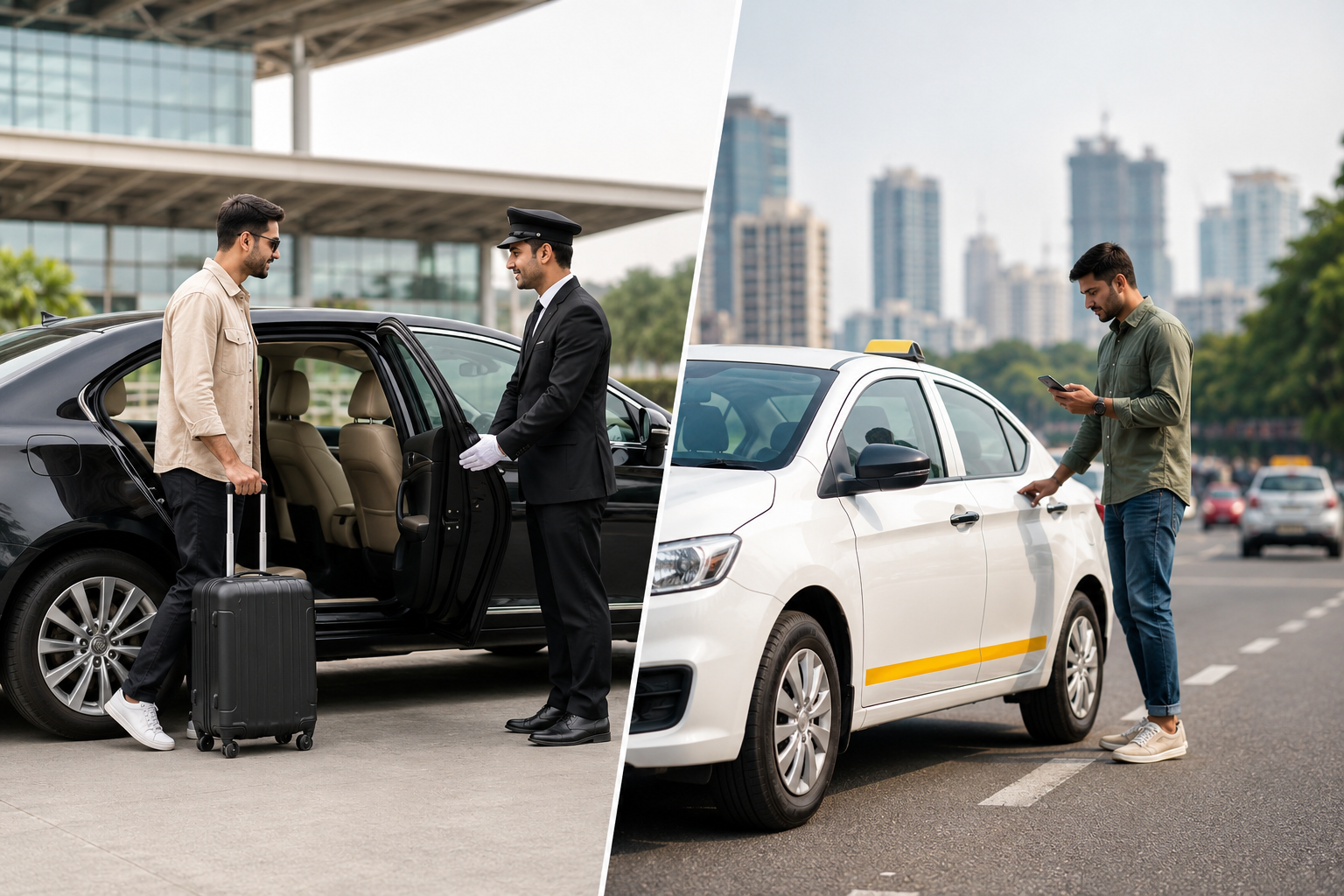
The answer depends entirely on your travel plans.
If you only need transportation from one city to another, a one-way taxi usually offers better value because you pay only for the required journey.
However, travelers planning sightseeing tours, vacations, or business visits often prefer round-trip bookings because the vehicle remains available throughout the trip.
If you are unsure whether to choose a taxi or rental vehicle for your trip, you can also read our guide on Car Rental vs Taxi Service: Which Is Better? to compare both transportation options.
| One-Way Taxi Advantages | Round-Trip Taxi Advantages |
|---|---|
| Lower travel cost | More flexibility |
| Ideal for airport transfers | Dedicated vehicle availability |
| Suitable for city-to-city travel | Convenient for multi-day travel |
| No return fare concerns | Better for sightseeing tours |
Conclusion: Choosing the right option depends on your itinerary, travel duration, budget, and transportation requirements. One-way taxis are usually more economical for point-to-point travel, while round-trip taxis offer greater convenience for extended journeys and sightseeing.
Estimating taxi fare before booking is relatively straightforward. Knowing the approximate cost in advance helps travelers plan their budgets and avoid unexpected expenses.
Taxi Fare = Distance × Taxi Charge Per KM
For example, if your travel distance is 250 kilometers and the taxi rate is ₹18 per kilometer:
In this example, the estimated base fare would be ₹4,500.
However, this is only the base fare. Travelers should also account for the following charges when estimating total transportation costs:
Tip: Always request a complete fare breakdown from the taxi provider before confirming your booking to ensure full pricing transparency.
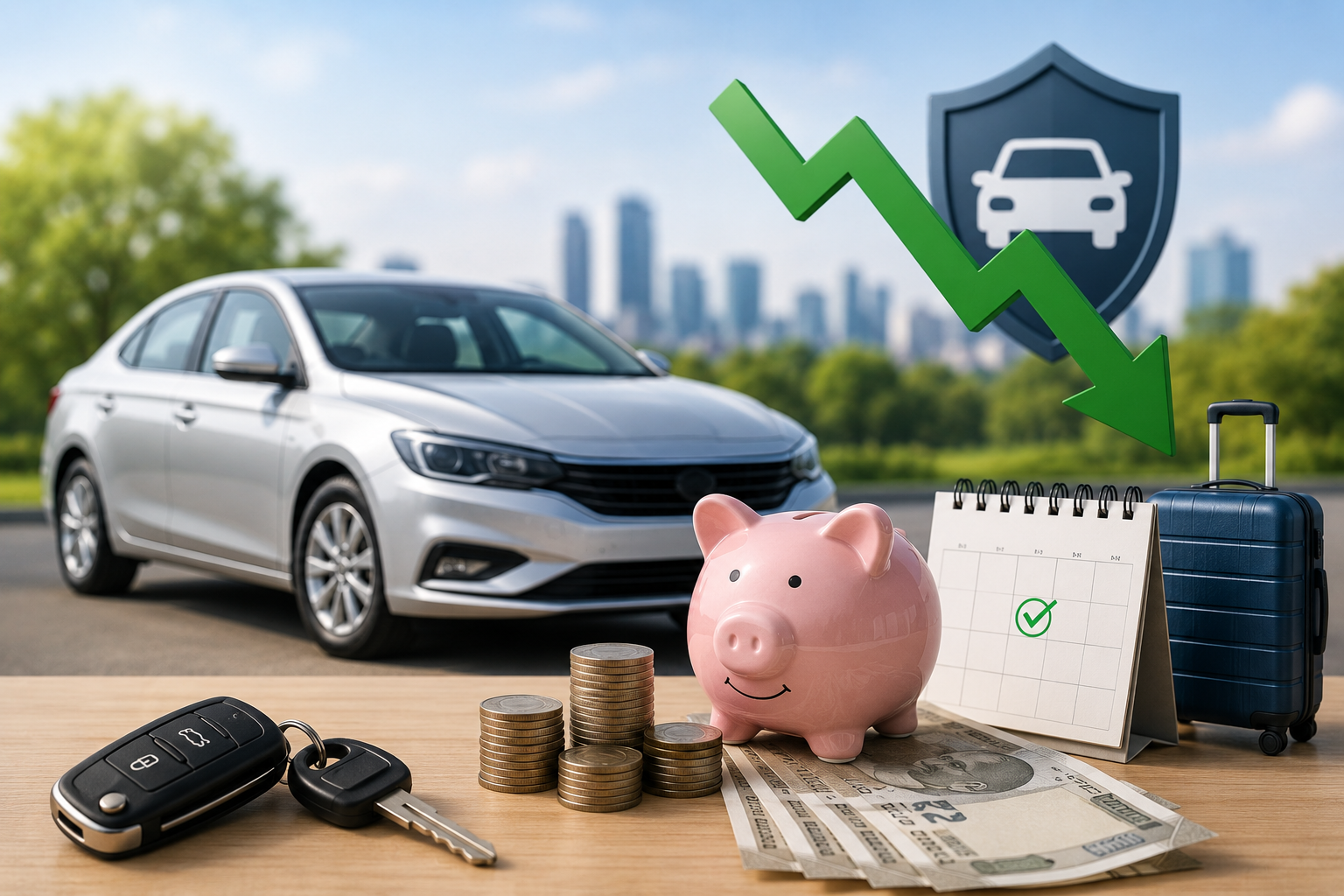
Travel costs can often be reduced with a little planning.
Booking early, comparing multiple providers, and selecting the right vehicle category can make a noticeable difference in overall expenses.
Some practical ways to save money include:
Small decisions like these can significantly reduce transportation expenses on long journeys.
Travelers looking to reduce transportation expenses can also explore our detailed guide on Best Ways to Save Money on Car Rental Bookings for additional cost-saving strategies.
Professional cab services offer more than transportation. They provide convenience, reliability, safety, and transparent pricing.
Unlike informal transportation options, professional operators maintain vehicles regularly, verify drivers, provide customer support, and ensure better travel standards.
For families, business travelers, and tourists, these benefits often outweigh the small difference in cost.
Key advantages include the following:
Before booking a vehicle, travelers may also find our articles on the Benefits of Booking a Car Rental with Driver Service and Why Verified Drivers Matter in Car Rentals helpful for understanding service quality and safety standards.
Travelers can also review official transportation regulations, road safety updates, and travel advisories through the official website of the Ministry of Road Transport and Highways.
Most sedan and SUV taxi services charge between ₹18 and ₹45 per kilometer, depending on the vehicle type, route, and travel location.
Taxi charges per km in Delhi generally start at around ₹18 per kilometer for sedan vehicles and increase based on the vehicle category selected.
Not always. Many taxi operators charge toll taxes separately unless they are specifically included in the package fare.
Yes. One-way taxi services are usually more affordable because travelers only pay for the required route instead of the return journey.
Multiply the travel distance by the applicable per-kilometer rate and then add toll charges, parking fees, state taxes, and driver allowance if applicable.
Understanding the taxi charge per km is essential for making informed travel decisions. Whether you are booking a local taxi, airport transfer, business cab, or outstation vehicle, knowing how fares are calculated helps you estimate costs more accurately and avoid unexpected expenses.
By comparing providers, understanding pricing structures, reviewing additional charges, and selecting the right vehicle category, travelers can enjoy a more transparent, comfortable, and cost-effective transportation experience. This not only saves money but also ensures a smoother journey from start to finish.
Travelers planning longer journeys can also explore our guides on Delhi to Manali Cab Service, Leh Ladakh Itinerary, and Top Road Trips in India You Must Take with a Rental Car for additional travel inspiration.